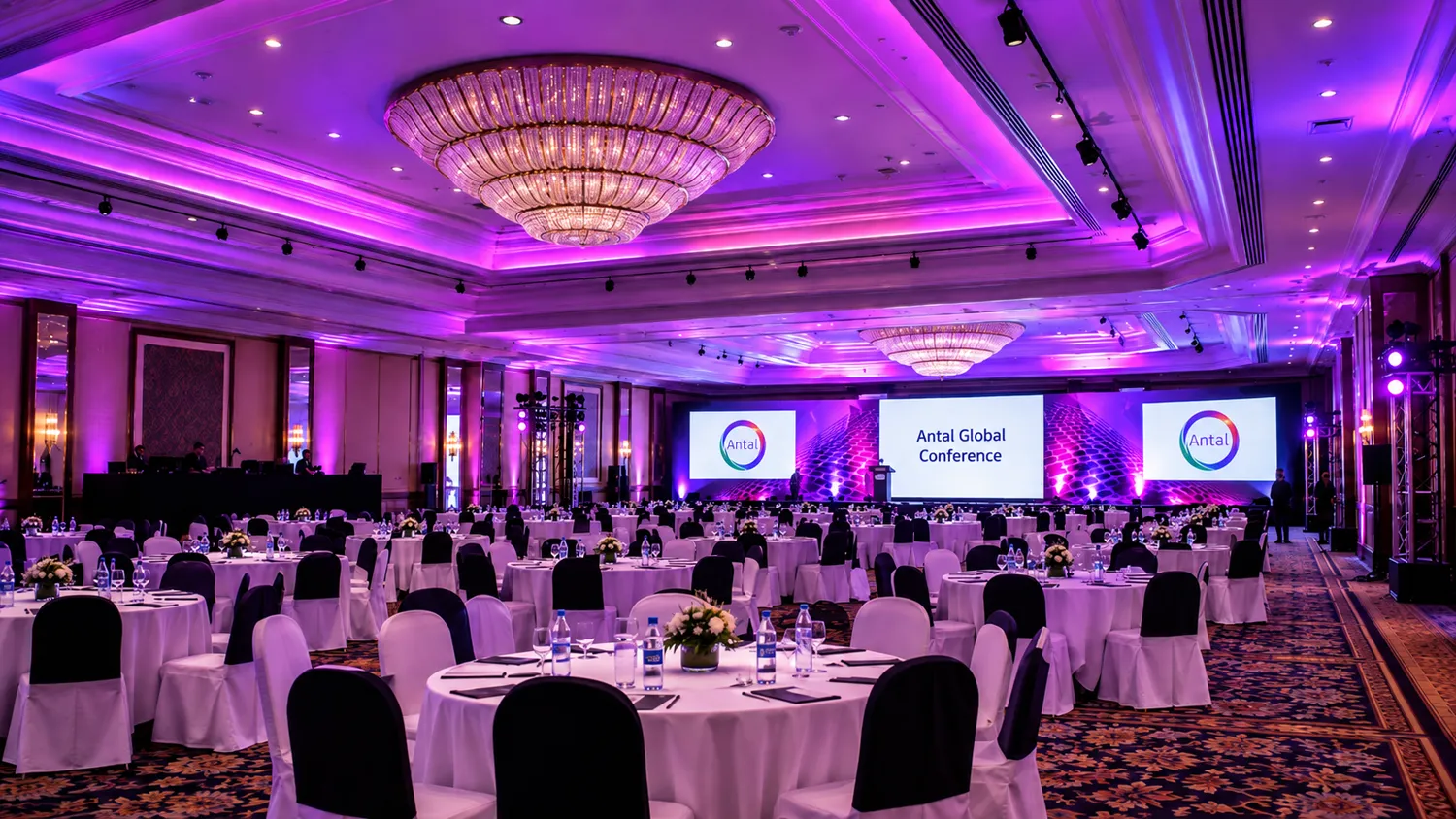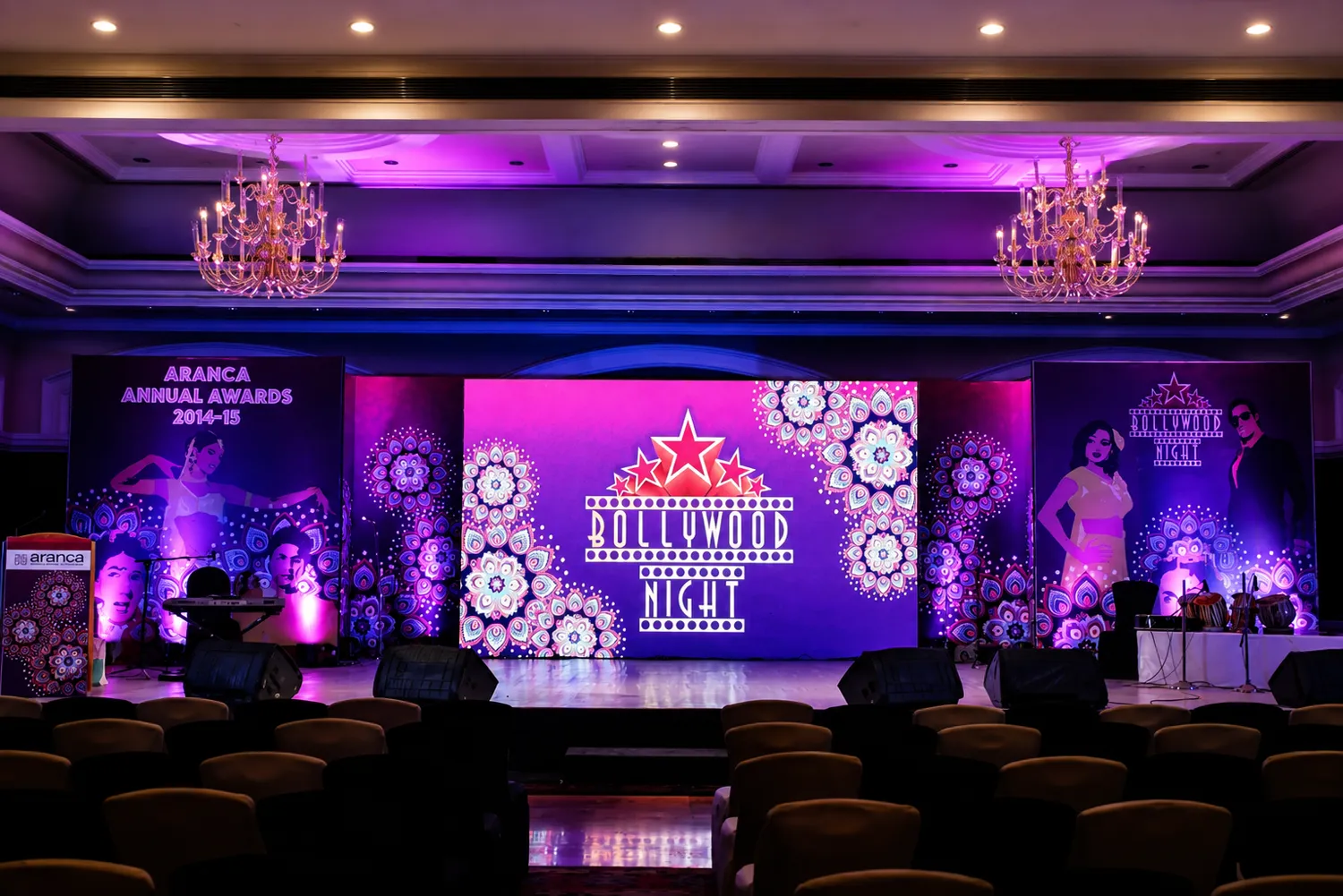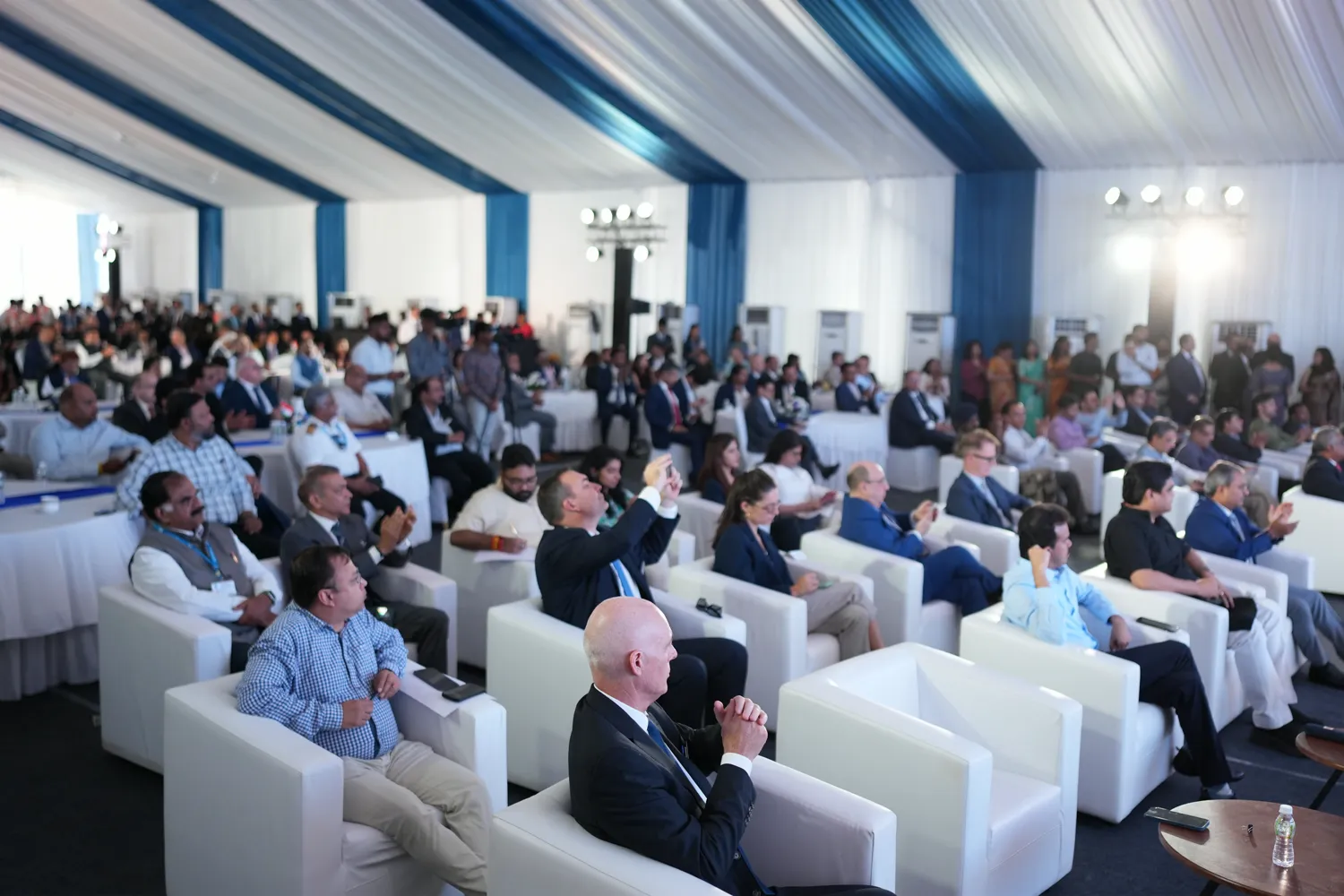
A 500+ person corporate event is managed by replacing informal coordination with documented systems: one command structure, capacity-based guest flow, zone ownership, a master production schedule, controlled data, transport manifests, technical redundancy, rehearsals and clear escalation paths.
At 50 people, an organiser can sometimes solve problems by walking across the room. At 500, that approach stops working. A large corporate event needs systems because too many people, suppliers, vehicles, cues and decisions are moving at the same time.
The objective is not to eliminate all change. Live events always change. The objective is to make sure change travels through a structure instead of becoming chaos.
1. Build one command structure
Large events need named owners for each operational zone.
A typical structure may include:
- Client decision-maker
- Event director / project lead
- Show caller
- Technical director
- Front-of-house lead
- Registration lead
- Backstage lead
- Venue and F&B lead
- Transport lead
- Sponsor / exhibitor lead
- Security / safety lead
Each team needs an escalation route. If everyone can call everyone, no one knows who is solving the problem.
2. Create a master production schedule
The schedule should cover much more than the show.
Include:
- Vendor arrival
- Loading windows
- Stage construction
- Rigging
- LED and sound setup
- Branding
- Registration setup
- Catering service
- Exhibitor handover
- Speaker calls
- Rehearsal
- Doors open
- Show
- Guest dispersal
- Dismantling
Dependencies should be visible. The lighting team cannot focus fixtures until the stage and rigging are ready. Exhibitors cannot dress stalls while flooring is unfinished.
3. Design guest flow by capacity
For 500+ people, every movement point is a capacity problem:
- Drop-off
- Security
- Registration
- Elevators
- Ballroom doors
- Buffet
- Washrooms
- Exhibition aisles
- Bus boarding
Ask how many people can move through each point per minute. Add counters, doors, staff or staggered timing where the throughput is too low.
4. Divide the venue into zones
Create operational ownership by geography. For example:
- Arrival / transport
- Registration
- Pre-function
- Main hall
- Backstage
- VIP / green room
- Exhibition
- F&B
- Loading dock
Each zone lead should have a team, radio access and a checklist.
5. Use one source of truth for data
Large events generate many lists: delegates, VIPs, speakers, transport, awards, rooming, exhibitors and crew.
Version control matters. Define which file is authoritative and who can edit it. If the registration desk, transport team and client servicing team use different attendee lists, problems will appear immediately.
6. Plan registration for the peak
A 700-person event may receive most delegates in 30-45 minutes. Build capacity for that arrival wave.
Use separate processes for:
- Pre-registered delegates
- Walk-ins
- VIPs
- Speakers
- Sponsors / exhibitors
- Exceptions
Keep exception handling away from the main line.
7. Plan transport like a fleet operation
For employee events, transport can involve dozens of buses and multiple pickup points.
Use:
- Vehicle numbers
- Driver contacts
- Route captains
- Passenger manifests
- Parking map
- Dispatch order
- Late-night release plan
- Backup vehicles where justified
For departure, communicate vehicle zones before the event ends. Do not wait until hundreds of people are standing outside.
8. Scale the technical system with the audience
Large rooms need proper audio coverage, sufficient screen size and camera magnification where the stage is distant.
Technical planning should address:
- PA coverage
- Delay speakers
- Screen sightlines
- IMAG cameras
- Wireless microphone coordination
- Power and backup
- Cable safety
- Crew communications
A 500-person ballroom is not simply a 100-person setup with louder speakers.
9. Rehearse high-risk transitions
Prioritise:
- Opening sequence
- Leadership speeches
- Awards blocks
- Product reveals
- Sponsor moments
- Panels
- Employee performances
- Entertainment changeovers
- Closing and dispersal announcement
The show caller should work from the same cue sheet as technical operators and stage managers.
10. Plan sponsors and exhibitors as a separate workstream
If the event includes commercial partners, create an inventory of every promised deliverable.
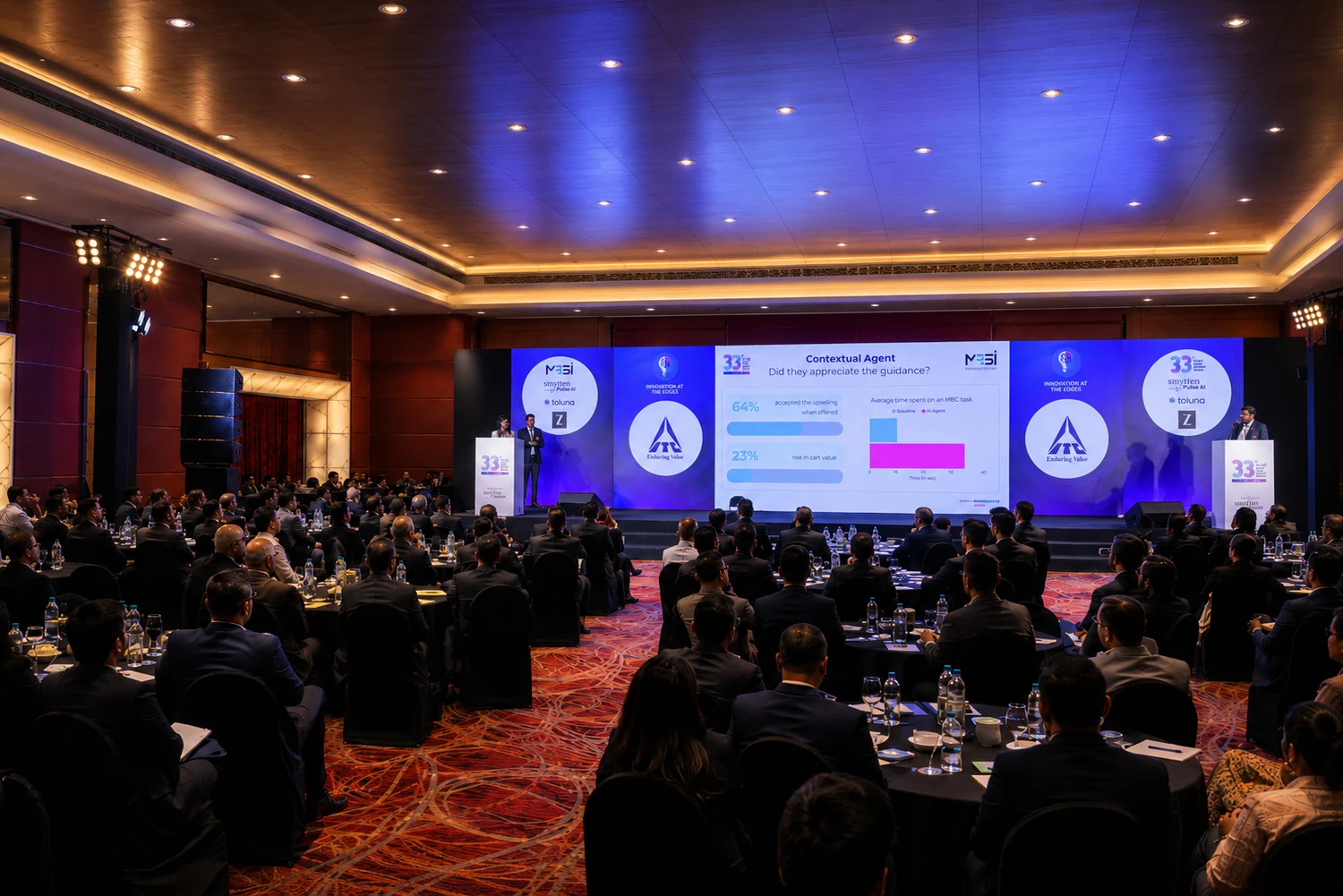
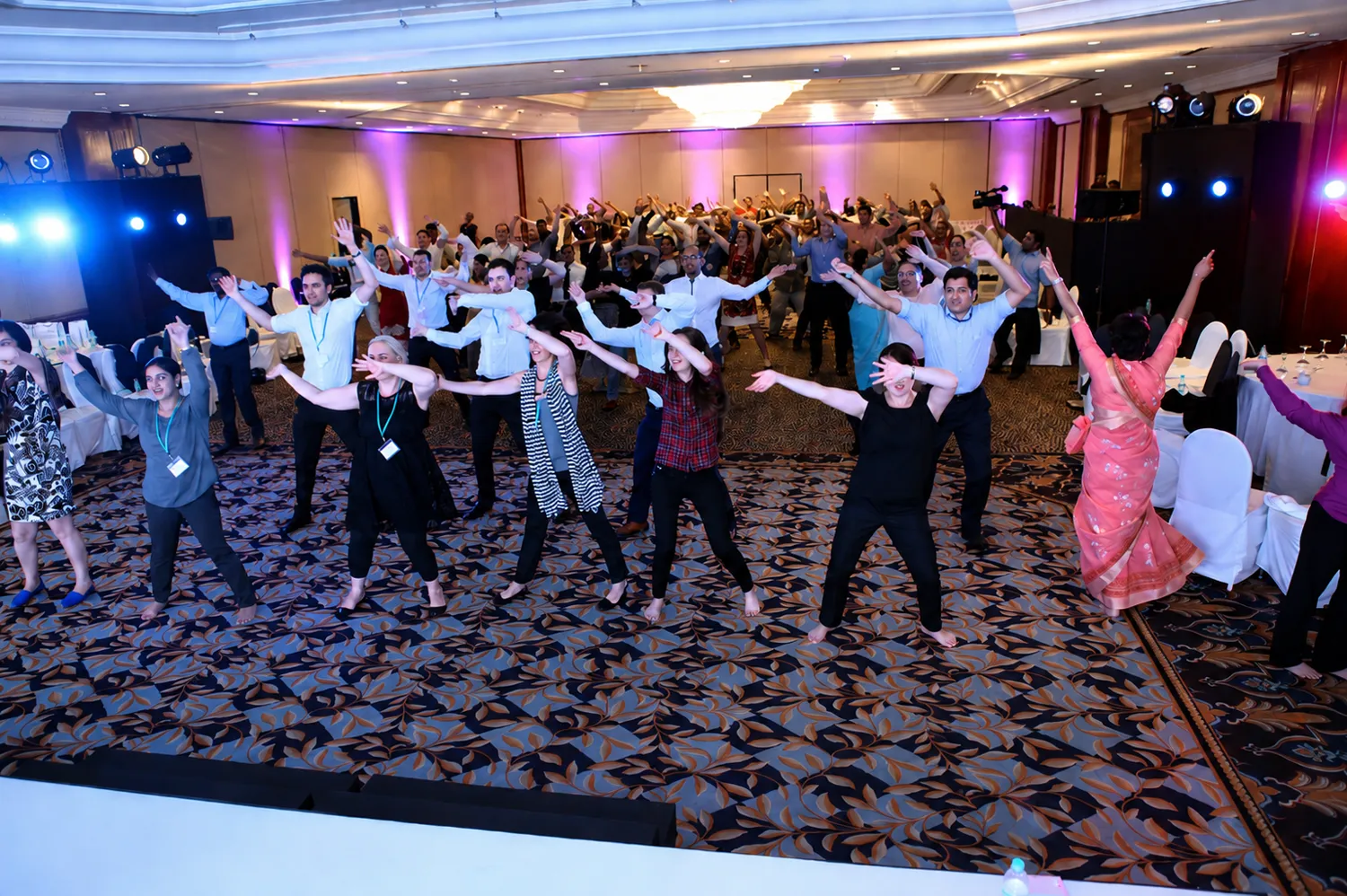
At MRSI’s 32nd Annual Seminar, Pegasus managed an event of around 700 participants with 10 exhibitors and 25 sponsors. In this type of environment, sponsor logos, stalls, entitlements, session references and hospitality must all be documented. Informal memory is not enough.
11. Protect the backstage
Backstage becomes a traffic problem at scale. Control access and create separate areas for:
- Speakers
- Award winners
- Performers
- Props / trophies
- Technical crew
- VIPs
The stage manager should know exactly who is next and where they are.
12. Build medical, safety and emergency plans
Coordinate with the venue on:
- Emergency exits
- Fire safety
- Ambulance / medical support
- Security
- Crowd management
- Lost child or vulnerable guest procedure for family events
- Severe weather for outdoor areas
The scale of the plan should reflect the audience and venue, but responsibilities must be clear.
13. Use radios and concise communication
Large event teams should not rely only on personal phones. Radios or intercoms allow rapid communication by role.
Use clear channels and short messages. Transport does not need to hear every backstage cue, and the show caller does not need every catering update.
14. Build contingency into the budget and schedule
Contingency can include both money and time.
Examples:
- Spare microphones
- Backup playback laptop
- Extra registration printer
- Buffer vehicles
- Rain plan
- Spare badges
- Additional crew meal count
- Setup buffer
- Alternate speaker sequence
The larger the event, the more expensive unplanned emergency buying becomes.
15. Make client decision-making faster
Large events can stall when every issue requires a committee. Define one client decision-maker on site for operational changes within agreed limits.
The project can still have senior governance, but event-day decisions need speed.
What changes at 1,000+ guests?
The same principles apply, but capacity and zoning become more important. Larger events may need:
- Multiple registration banks
- More security layers
- Dedicated traffic marshals
- Larger medical coverage
- Multiple food-service points
- More extensive radio channels
- Stronger crowd-flow design
- Additional backstage holding
Pegasus’ experience extends to very large public-facing formats as well, including The Great Mela Dubai with approximately 18,000 attendees. Scale changes the numbers, but the operating principle remains the same: break the event into controllable systems.
The large-event control checklist
- Command structure
- Master contact sheet
- Production schedule
- Venue zoning
- Registration capacity
- Guest database
- Transport manifest
- Speaker / VIP plan
- Sponsor inventory
- Technical specification
- Cue sheet
- Rehearsal plan
- Security and medical
- F&B throughput
- Radio plan
- Contingency
- Dispersal plan
Frequently asked questions
How many staff are needed for a 500-person corporate event?
There is no universal ratio. Staffing depends on registration complexity, venue layout, transport, stage programme, security and guest-service expectations. Build staffing by function and peak workload.
What is the biggest risk in a large corporate event?
Fragmented coordination. Individual suppliers may perform well while the event still fails at the interfaces between registration, production, transport, venue and show flow.
How do you reduce queues at a large event?
Design for peak arrival, increase parallel processing, separate exception cases, use pre-registration and create multiple service points where possible.
Do 500-person events need a show caller?
If the event has multiple speakers, films, awards, performances or technical cues, a show caller or equivalent control role is highly valuable.
What should be rehearsed for a large corporate event?
All high-risk transitions, opening and closing sequences, major speakers, playback, panels, awards, performances, reveals and emergency operational handoffs.
Large events should feel simple to the guest
The audience should not experience the spreadsheets, radios, manifests and cue sheets. That machinery exists precisely so the event can feel effortless. Pegasus Events – TTM builds large corporate events around that principle: complexity backstage, clarity front of house.