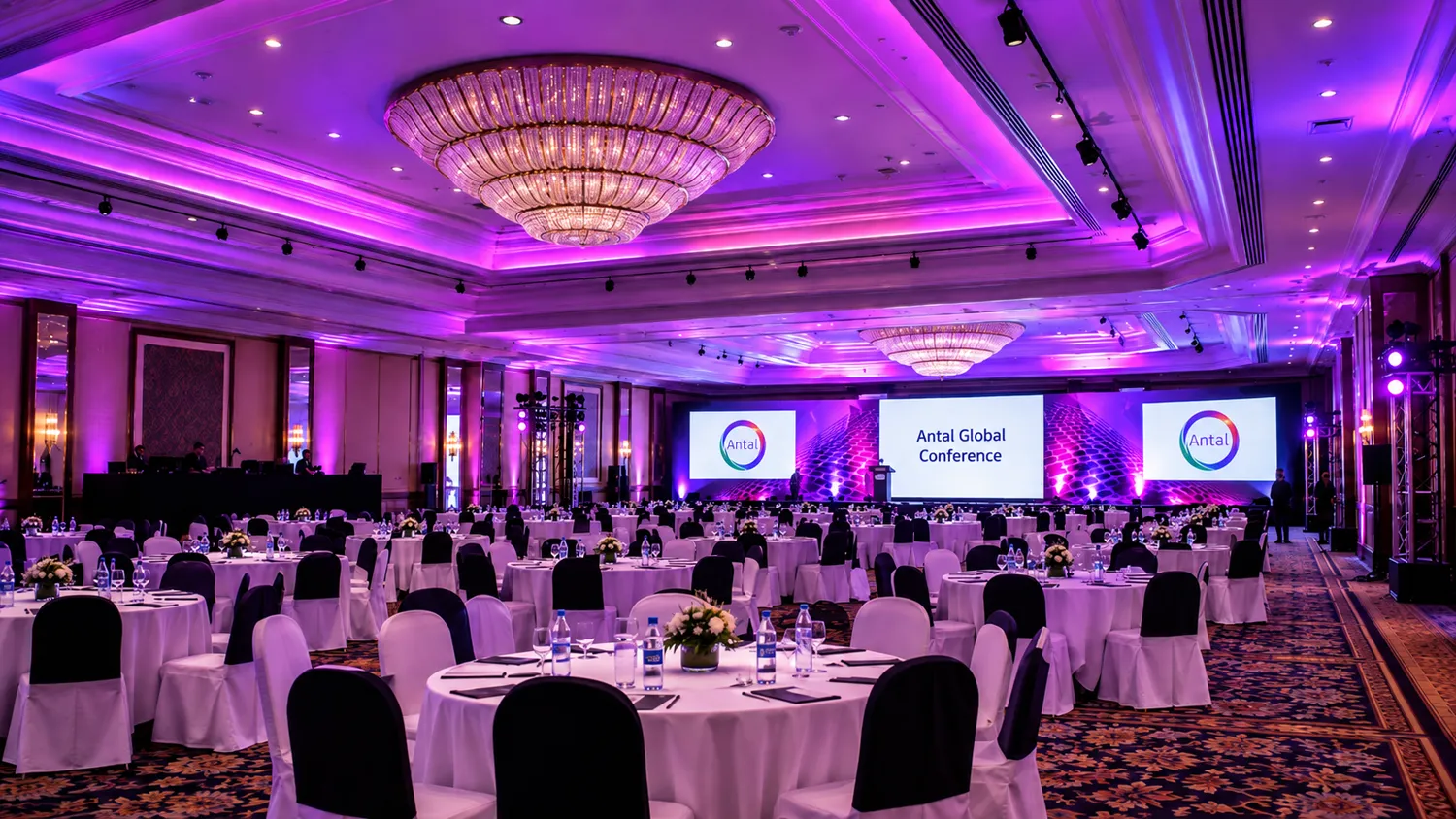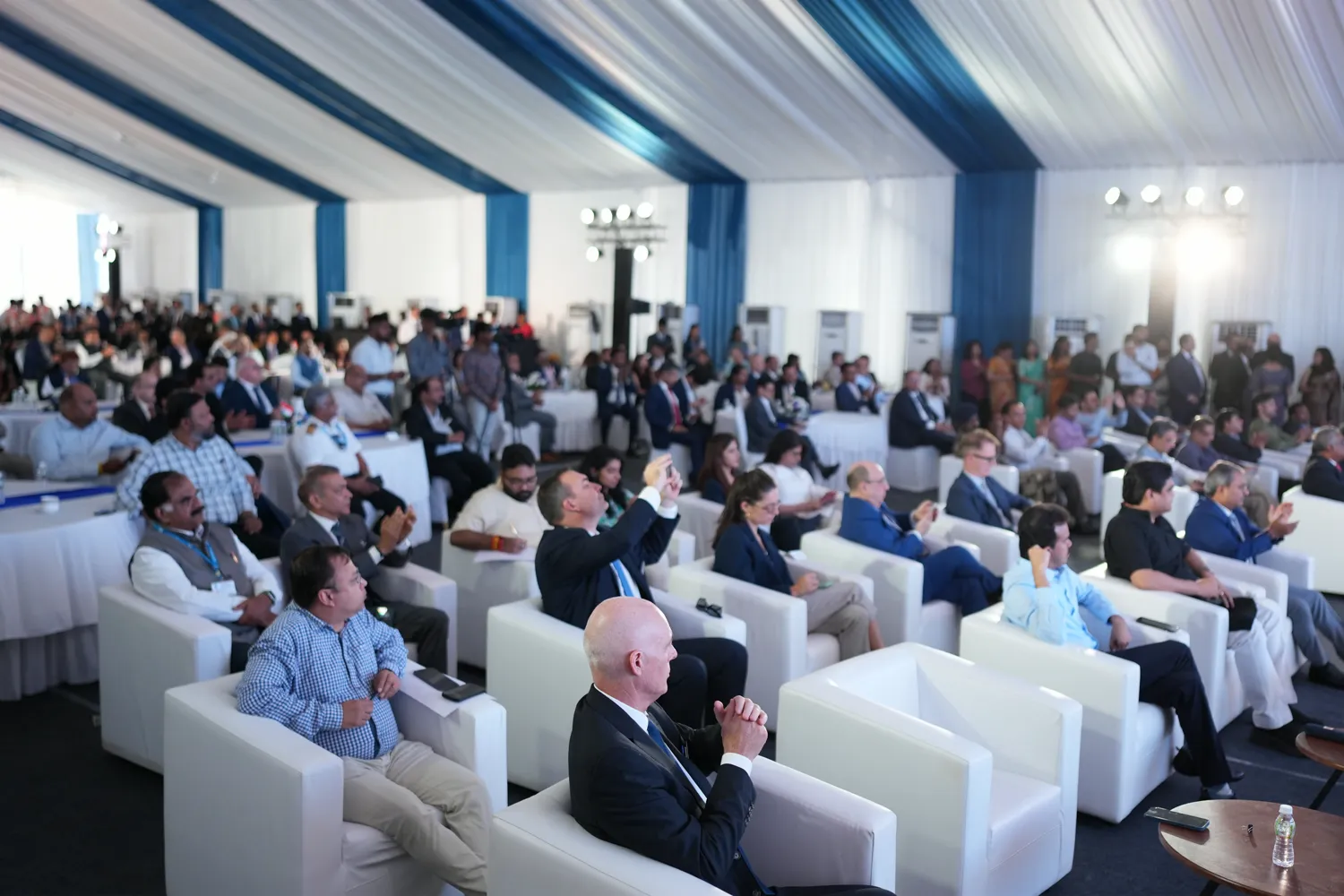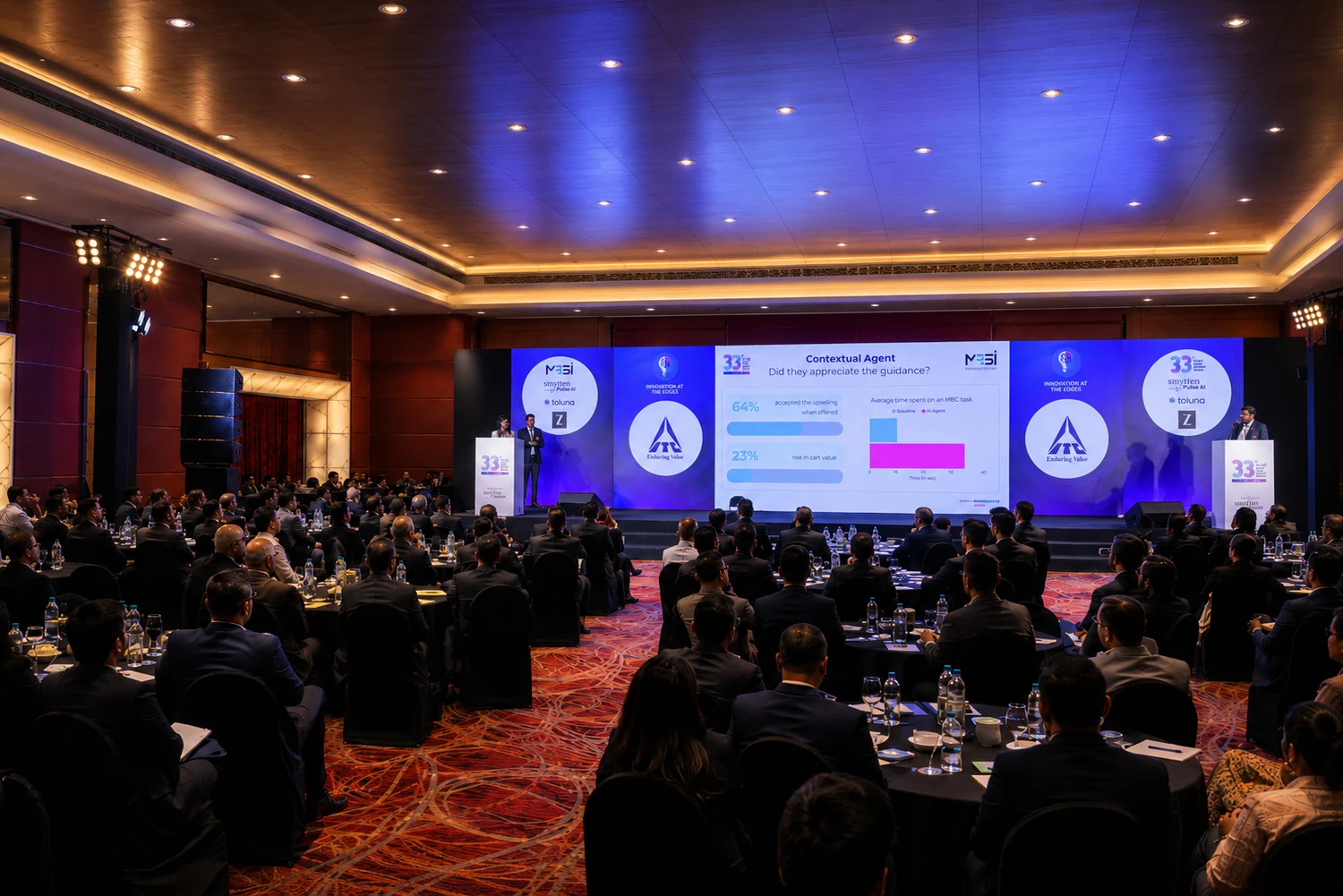
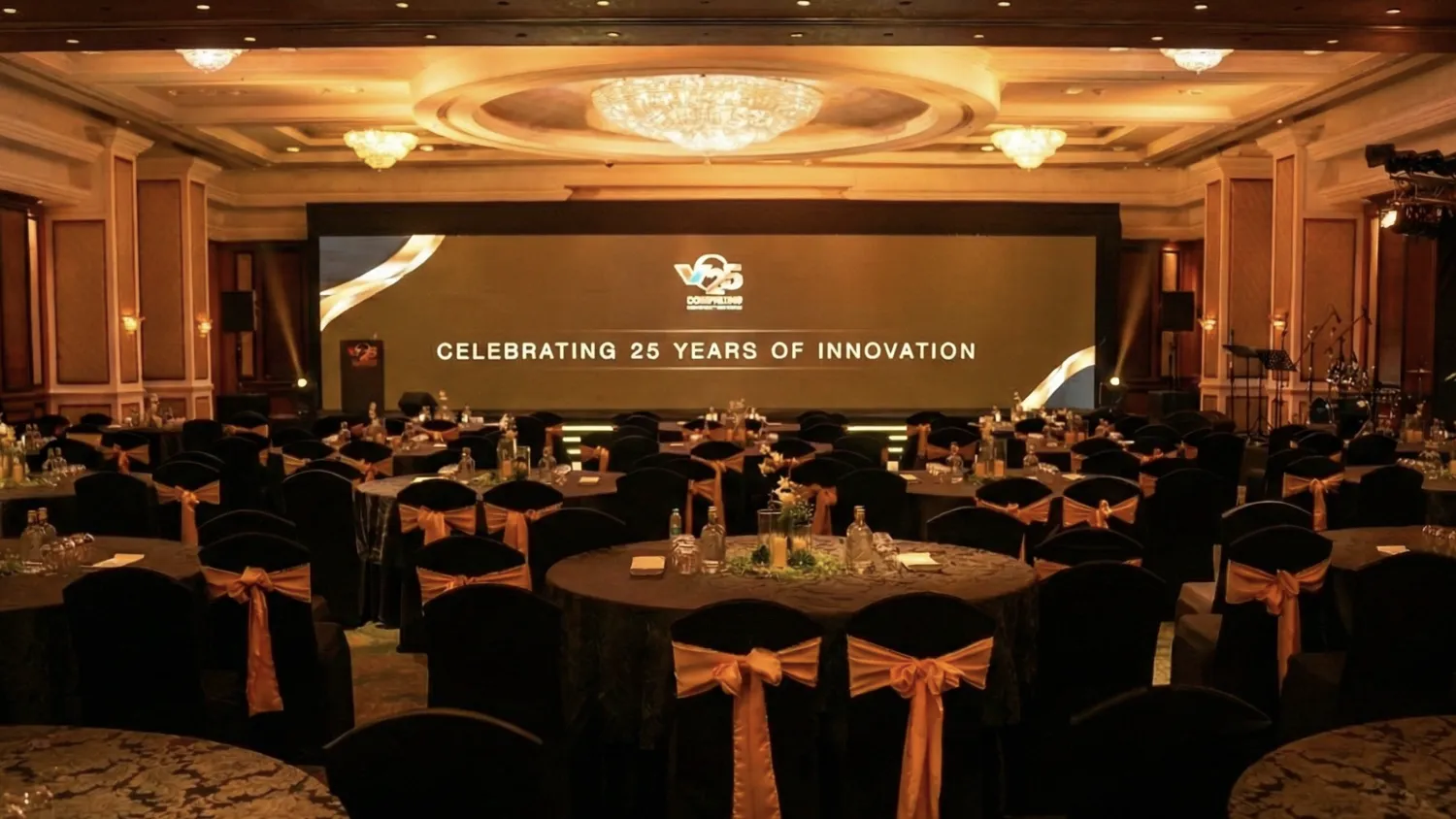
Managing a corporate event in-house gives the company direct control and may reduce agency fees, while an event agency adds specialist planning, supplier coordination, technical production, show management and accountability. The right model depends mainly on event complexity, internal capability and risk.
Companies often ask whether they really need an event agency. For a 30-person workshop with a meeting room and lunch, the answer may be no. For a 700-person conference with sponsors, stage production, registration, speakers and live content, the question becomes very different.
The choice is not simply agency fee versus no agency fee. It is a choice about who will carry the planning workload, technical decisions, supplier interfaces, live-event responsibility and operational risk.
The in-house model
In an in-house model, employees directly plan the event and contract individual suppliers. HR, marketing, administration, procurement or internal communications may divide responsibilities across venue, AV, entertainment, transport, creative and guest management.
This works well when the format is repeatable, the company has experienced internal planners, the supplier base is trusted and the event has limited technical complexity.
Where in-house planning is strong
- Direct control over decisions and internal communication
- No separate full-service agency fee
- Deep understanding of company culture and stakeholder preferences
- Efficient for small, standard or frequently repeated formats
- Existing corporate procurement relationships can be reused
Where in-house planning becomes difficult
The difficulty is rarely booking the individual components. It is coordinating the dependencies between them.
The venue wants final numbers. AV needs stage dimensions. The designer needs LED resolution. The emcee needs the show flow. The awards vendor needs final names. The transport company needs release timings. The CEO presentation arrives late. Employee performers need rehearsal time. All of those decisions meet on the same event day.
When internal teams manage this themselves, someone in the company becomes the event manager whether or not that is their actual job.
The agency-led model
In an agency-led model, the company retains ownership of business decisions while the event agency converts them into an operating plan. The agency can manage concept, budget, venue, suppliers, production, content, logistics, rehearsals and show control.
The client should still approve the objective, audience, brand, budget, leadership content and major creative decisions. The difference is that the agency owns the integration work.
Where an agency adds the most value
- Large audiences
- Multiple suppliers
- Complex stage or technical production
- Employee performances and rehearsals
- Awards or recognition programmes
- Senior leadership and VIP movement
- Sponsors, exhibitors or multiple stakeholder groups
- Product reveals or special technical effects
- Tight venue access windows
- Multi-city or repeated event programmes
Cost: is in-house always cheaper?
Not automatically. Removing an agency fee can reduce one visible line item, but the total cost depends on vendor buying, rework, overtime, scope gaps and the value of internal time.
An in-house team may obtain excellent rates from known suppliers. An experienced agency may obtain efficiencies through technical specification, consolidated procurement and avoiding unnecessary items. Either model can overspend if the brief is weak.
The fair comparison is total delivered scope, not only headline fees.
Control: do you lose control when you hire an agency?
You should not. A well-run agency model separates decision control from execution control.
The client controls the event objective, budget approvals, brand, leadership, internal policy and final sign-off. The agency controls project coordination, supplier schedules, technical integration, documentation and live execution within that approved scope.
Problems arise when the division is unclear. If every minor operational decision needs five client approvals, the agency cannot operate efficiently. If the agency makes major creative or budget decisions without approval, the client loses governance.
Supplier management: the hidden workload
A 500-person event may involve 15-30 supplier teams even when the client sees only a few invoice categories. Each has access requirements, lead times, technical dependencies and payment milestones.
If the company contracts them separately, the company owns the interfaces. If the LED supplier says the scenic structure is not ready, or the artist’s technical rider conflicts with the venue’s sound restrictions, those are now client-side coordination problems.
An agency’s role is to resolve those interfaces before they become event-day conversations.
Technical production: where specialist knowledge matters most
Corporate events increasingly involve LED walls, playback systems, multiple microphones, cameras, livestreams, mapped projection, lighting cues and custom fabrication. These are not areas where visual taste alone is enough.
Technical choices affect power, rigging, sightlines, content resolution, rehearsal time, loading and safety. A specialist production lead can simplify the brief for the client while still holding suppliers accountable to specification.
Creative: internal understanding versus external perspective
Internal teams know the company better. Agencies see more event formats and production approaches. The strongest model combines both.
The client should provide the cultural truth: what employees care about, what leadership wants to communicate, what will feel authentic and what has already been overused. The agency can turn that information into a theme, show format and visual system that works live.
Event-day responsibility
This is often the decisive difference. When an event is run in-house, senior HR or marketing team members can end up solving transport, production, backstage and vendor issues while they are also supposed to host leaders or engage with employees.
With an agency, those operational problems are routed through a command structure. The client team can still make decisions, but it does not have to personally operate every queue, cue and loading dock.
Pegasus describes this as risk absorption. The audience does not need to know which supplier was responsible for a failure. The event owner needs one team that takes responsibility for the overall experience.
A practical complexity test
You probably do not need a full-service event agency if most of these statements are true:
- The event is under about 50 people
- The format is a simple meeting or meal
- No custom stage or complex AV is required
- There are few suppliers
- There are no awards, performances or show cues
- Internal staff have run the same format before
An agency becomes more useful as more of these statements become true:
- 200+ guests
- Multiple locations or transport routes
- Custom stage, LED or entertainment
- Awards or employee performances
- Significant leadership content
- Sponsors or exhibitors
- Tight venue access
- Multiple approvals and departments
- High reputational visibility
- Failure would have a significant internal or external impact
These are not hard rules. They are a way to think about complexity.
The hybrid model
Many companies use a hybrid approach. Internal teams own communication, invitees, leadership and brand, while the agency handles venue, production, logistics and show management. Others retain preferred suppliers but ask an agency to integrate them.
A hybrid can work extremely well if scopes are explicit. The danger is creating a gap where each party assumes the other is responsible.
What should stay in-house even when you hire an agency?
- Business objective
- Stakeholder priorities
- Employee data and internal communication
- Leadership schedules
- Brand and legal approvals
- Procurement governance
- Sensitive employee or award information
- Final budget authority
Frequently asked questions
Is hiring an event agency more expensive than planning internally?
It adds a professional-services cost, but the total delivered cost depends on scope, supplier rates, internal workload, rework and risk. Compare like-for-like budgets rather than only agency fees.
Can HR manage an annual day without an event agency?
Yes, especially for smaller or repeatable formats. The decision should depend on the internal team’s experience, available time and the technical and operational complexity of the event.
What can an event agency take off the client’s plate?
Venue coordination, budgeting, supplier management, production, creative, content, registration, logistics, rehearsals, event manpower, backstage management and live show control can all sit within agency scope.
Can we use our own vendors and still hire an event agency?
Yes. A hybrid model can work well if responsibility for vendor management, contracts, technical integration and on-site delivery is clearly defined.
When does an event become too complex to manage casually?
When multiple workstreams are interdependent, senior stakeholders are involved, technical failure would be visible, or the internal team cannot remain focused on its actual role during event week.
Choosing the model that fits the event
The right question is not “agency or no agency?” It is where should responsibility sit for this level of complexity? For simple events, internal control can be efficient. For complex events, professional integration can protect both the experience and the client team’s time.