An effective employee engagement event starts with a specific behaviour or cultural objective, then uses low-friction participation, relevant team formats, leadership involvement and a clear event narrative. Participation should be designed into the experience rather than added as games between speeches.
The phrase “employee engagement” is often used to describe almost anything that is not a meeting: games, a DJ, a photo booth, a team challenge or a town hall with snacks. But participation is not the same as engagement.
A useful employee engagement event creates a reason for people to interact, contribute, recognise one another or understand the organisation differently. The activity is the mechanism. The objective is the point.
Start with the behaviour you want
Avoid briefs like “make it fun” unless fun is genuinely the only objective. Better briefs identify what needs to happen between employees.
Examples:
- Bring teams that rarely interact into one shared experience
- Improve cross-functional familiarity
- Reinforce a new company value
- Recognise employee contribution
- Create ownership around a transformation
- Rebuild energy after a difficult period
- Help new employees connect with long-tenured teams
Once the behaviour is specific, the event format becomes easier to choose.
Do not confuse energy with noise
A loud activity is not automatically engaging. Some employees enjoy competitive games; others disengage immediately. Some love being called on stage; others experience it as punishment.
Good engagement design gives people multiple ways to participate: physical, social, creative, reflective and observational. The objective is not to force every guest into the same personality type.
Build participation into the journey
Engagement should begin before the main stage. Consider:
- Pre-event polls or team prompts
- Employee-generated stories
- Nomination-led recognition
- Collaborative installations
- Photo or content submissions
- Team missions on arrival
- Live voting or Q&A
- Small-group challenges
- Peer recognition walls
- Post-event commitments
This creates a participation arc rather than a single “engagement activity” at 4:30 PM.
Use one narrative across the event
A theme works when it helps employees understand what the experience is about.
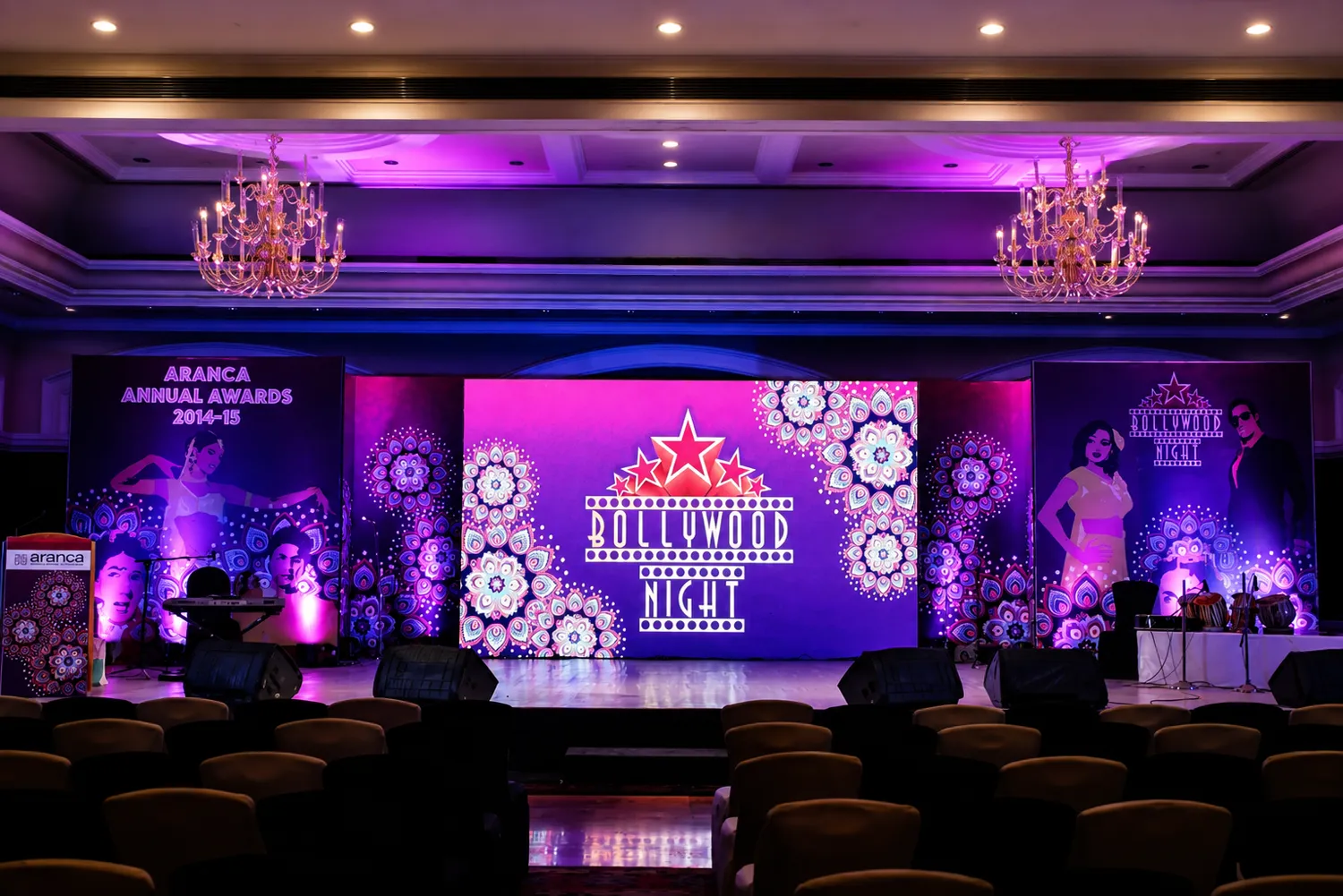
For Aranca, Pegasus created We Are Aranca around camaraderie and internal cooperation. The message was designed to resonate across levels of staff and reinforce the idea that employees were one unit with shared opportunities. That gave the event an organising thought for content, communication, performances and engagement.
The transferable lesson is simple: do not select a theme because it looks good on a backdrop. Select it because it gives employees a shared idea to participate in.
Design activities for the actual workforce
The same engagement format will not suit every organisation. Consider:
- Age mix
- Department mix
- Office versus field workforce
- Language preferences
- Physical accessibility
- Seniority differences
- Existing team relationships
- Competitive versus collaborative culture
- Comfort with public performance
A sales team may enjoy overt competition. A cross-functional leadership group may benefit more from collaborative problem-solving. A mixed workforce may need visual, multilingual and low-barrier activities.
Keep the rules simple
Engagement falls apart when the explanation takes longer than the activity. If people need a ten-minute briefing to understand the mechanic, simplify it.
Strong event activities usually have:
- One clear objective
- A short explanation
- Visible progress
- A defined finish
- A reason to care
The reward does not have to be expensive. Recognition, access, pride and team identity can be stronger motivators than prizes.
Make leadership part of the experience
Leadership participation matters because employees notice whether leaders are part of the culture or only speaking about it.
This does not mean every CEO needs to play a game on stage. Leadership can participate through recognition, team visits, informal conversations, Q&A, storytelling or a visible commitment connected to the event theme.
The most powerful moment may be a leader acknowledging specific employee stories rather than delivering another presentation about engagement.
Use recognition carefully
Recognition creates engagement when it feels specific and credible. It creates cynicism when it feels random or political.
For event-based recognition:
- Define transparent categories
- Use evidence or nominations
- Keep award descriptions meaningful
- Balance individual and team recognition
- Avoid excessive category inflation
- Use stories, not only names
A 30-second explanation of why someone is being recognised can create more emotional value than a more expensive trophy.
Employee-generated content is powerful
Employees are more likely to engage with content that contains their voices, work and stories.
Possible formats include:
- Short videos from teams
- Customer-impact stories
- Photos from milestones
- Peer thank-you messages
- Team-created performances
- Internal interviews
- Live social walls
The agency or internal team should curate this material so the final event remains paced and coherent.
Choose competition versus collaboration deliberately
Competition creates energy, but it can also reinforce existing silos. If the business objective is cross-functional cooperation, mixed teams and collaborative goals may be more appropriate.
Useful collaborative mechanics include building something together, solving a timed challenge, creating a shared story, completing interdependent tasks or unlocking a collective outcome.
Make the event easy to join
Participation drops when there is friction. Long queues, app downloads, complicated QR flows or activities in hidden corners reduce engagement.
Design for:
- Visible activity zones
- Quick onboarding
- Short participation cycles
- Clear hosts
- Enough capacity for the crowd
- Accessibility and language
- Simple digital interactions
For a 500-person event, an activity designed for six people every ten minutes is not an engagement solution. It is a queue.
Measure more than attendance
Attendance tells you who arrived. It does not tell you whether the event worked.
Possible measures:
- Participation rate by activity
- Poll response rate
- Employee-generated content submissions
- Award nominations
- Q&A volume
- Post-event sentiment
- Qualitative comments
- Cross-team participation
Measurement should match the original objective. If the goal was cross-team connection, ask employees whether they interacted with people outside their usual group.
Common employee-engagement mistakes
Too much stage, too little participation
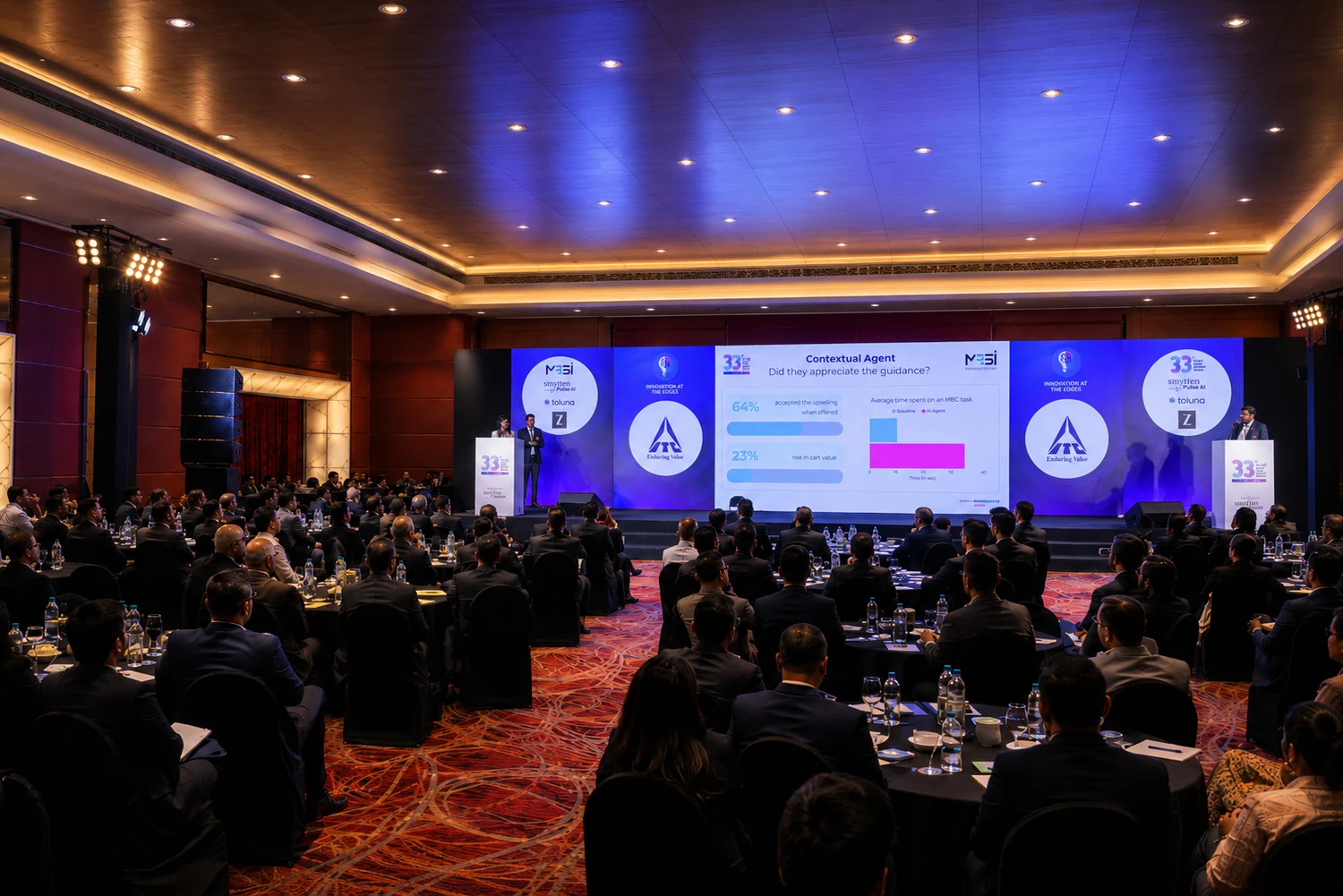
If employees spend four hours watching other people, call it a show – not an engagement event.
Activities unrelated to the objective
Random games can be fun, but they do not automatically create culture or collaboration.
Forced participation
Public embarrassment is not engagement. Give people safe ways to opt in.
No audience capacity planning
A great-looking activation that can only process 10% of the audience will frustrate the rest.
Leadership speaks but does not participate
Employees notice the difference between being addressed and being included.
No follow-through
If the event asks employees to contribute ideas or commitments, tell them what happens afterwards.
A practical engagement-event framework
- Define the behavioural objective
- Segment the audience
- Choose one narrative
- Build pre-event participation
- Design 2-4 core engagement mechanics
- Integrate leadership and recognition
- Test capacity and accessibility
- Train facilitators
- Measure participation
- Close the loop after the event
Frequently asked questions
What makes an employee engagement event successful?
A clear objective, relevant participation formats, low friction, credible leadership involvement and visible employee contribution are stronger success factors than simply having more activities.
What are good employee engagement activities for large groups?
Formats that scale include live polling, team challenges, audience missions, collaborative installations, recognition walls, structured networking and digital voting.
How do you engage introverted employees?
Offer non-public participation methods such as written responses, small-group collaboration, voting, digital interaction and voluntary creative contributions rather than forcing stage participation.
Should employee engagement events be competitive?
Only if competition supports the objective and culture. Collaborative formats may be better when the goal is cross-functional cooperation or one-company behaviour.
How do you measure event engagement?
Track participation, submissions, interaction across teams, poll responses, qualitative feedback and follow-through, not only attendance.
Designing engagement around your culture
Pegasus Events – TTM develops engagement as part of the event concept rather than as an add-on. The objective is to create participation that feels natural to the workforce and useful to the organisation.