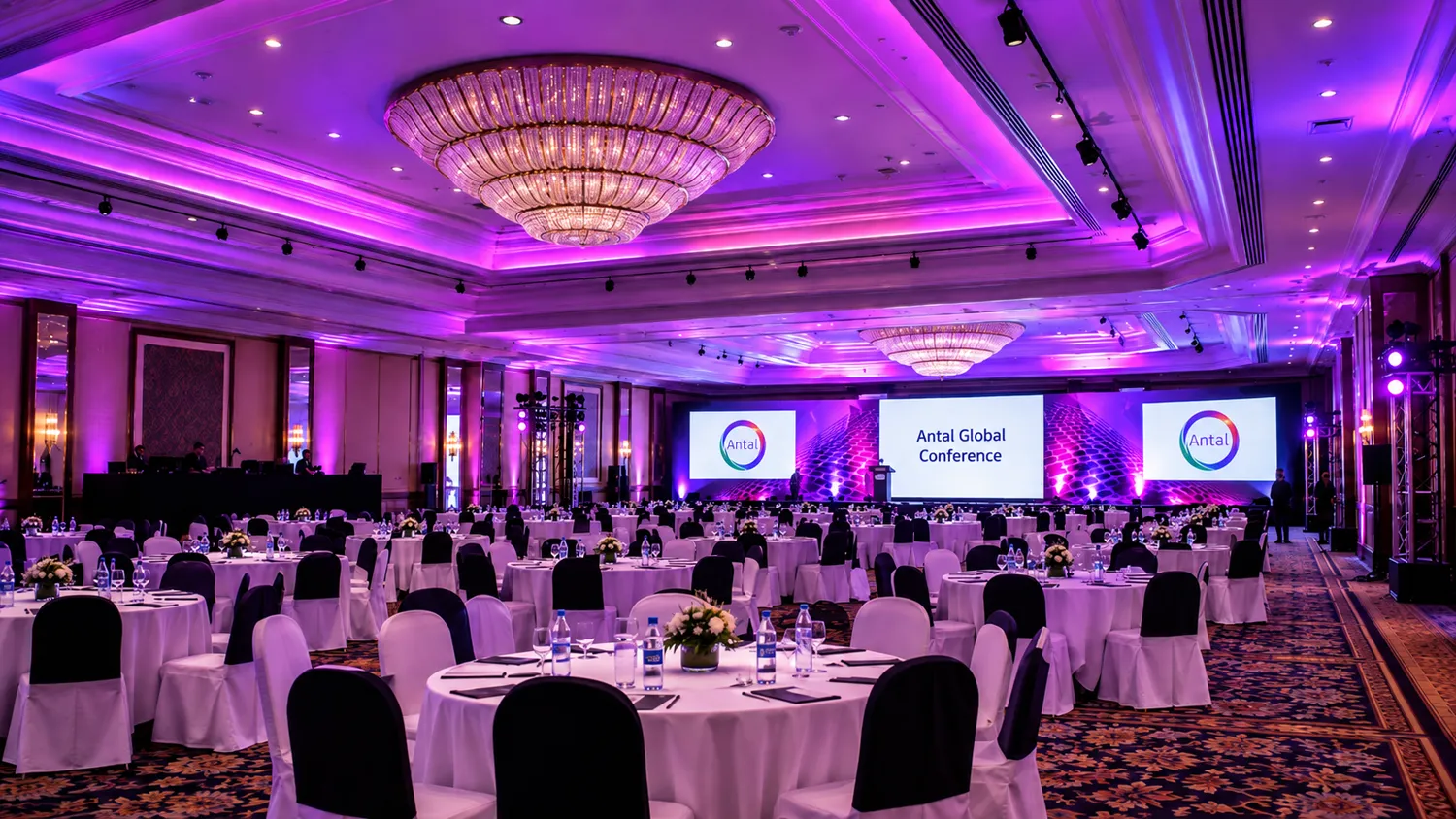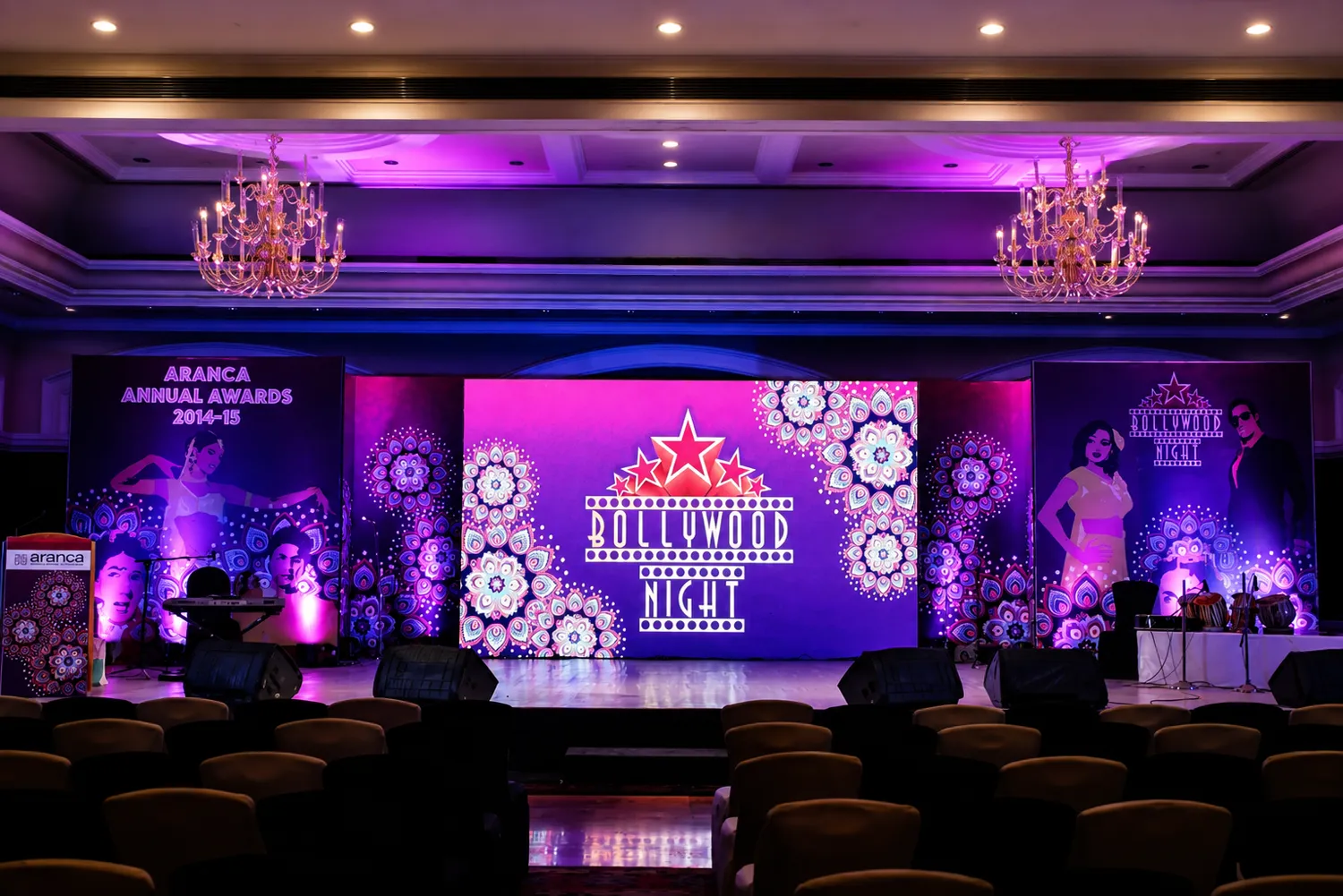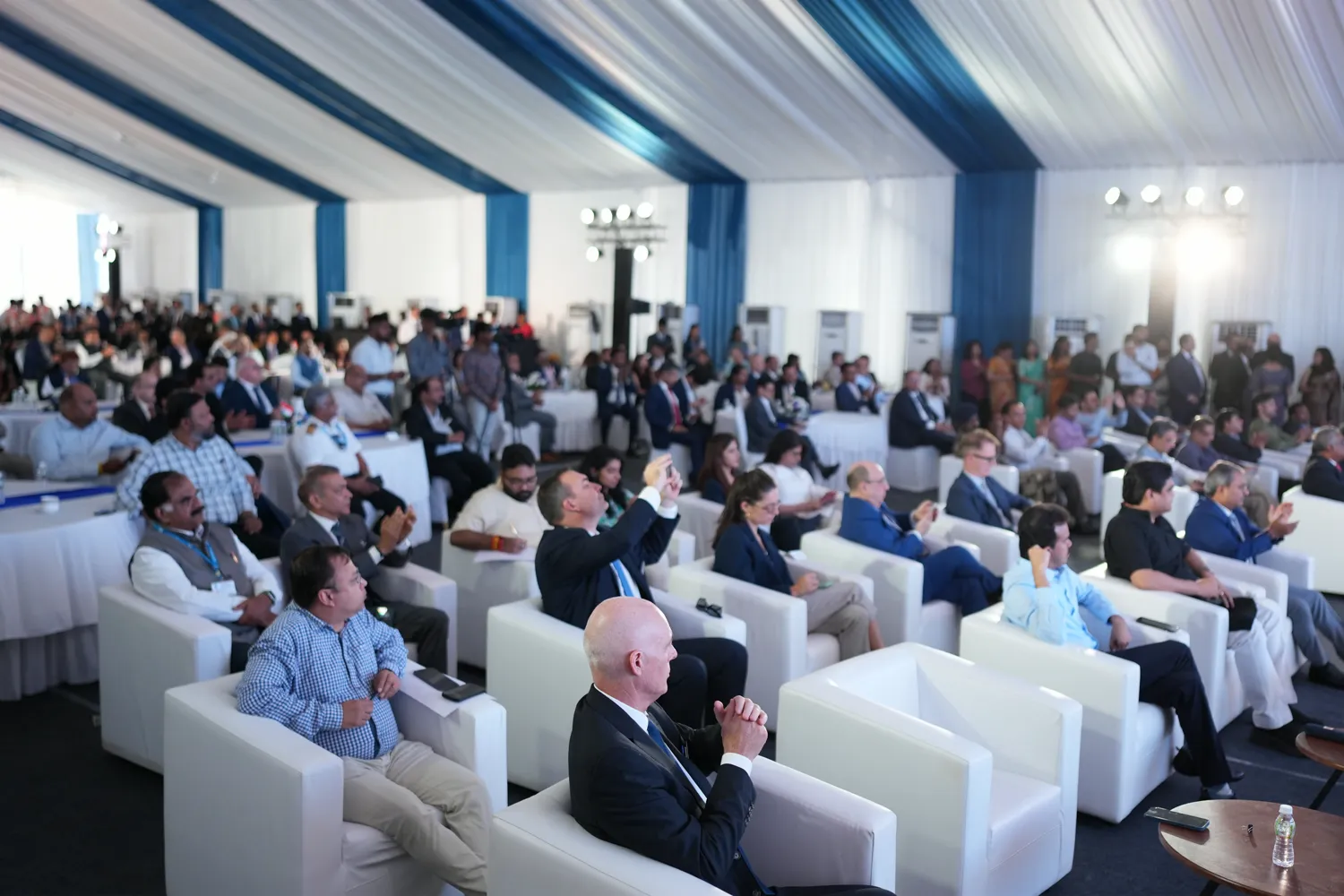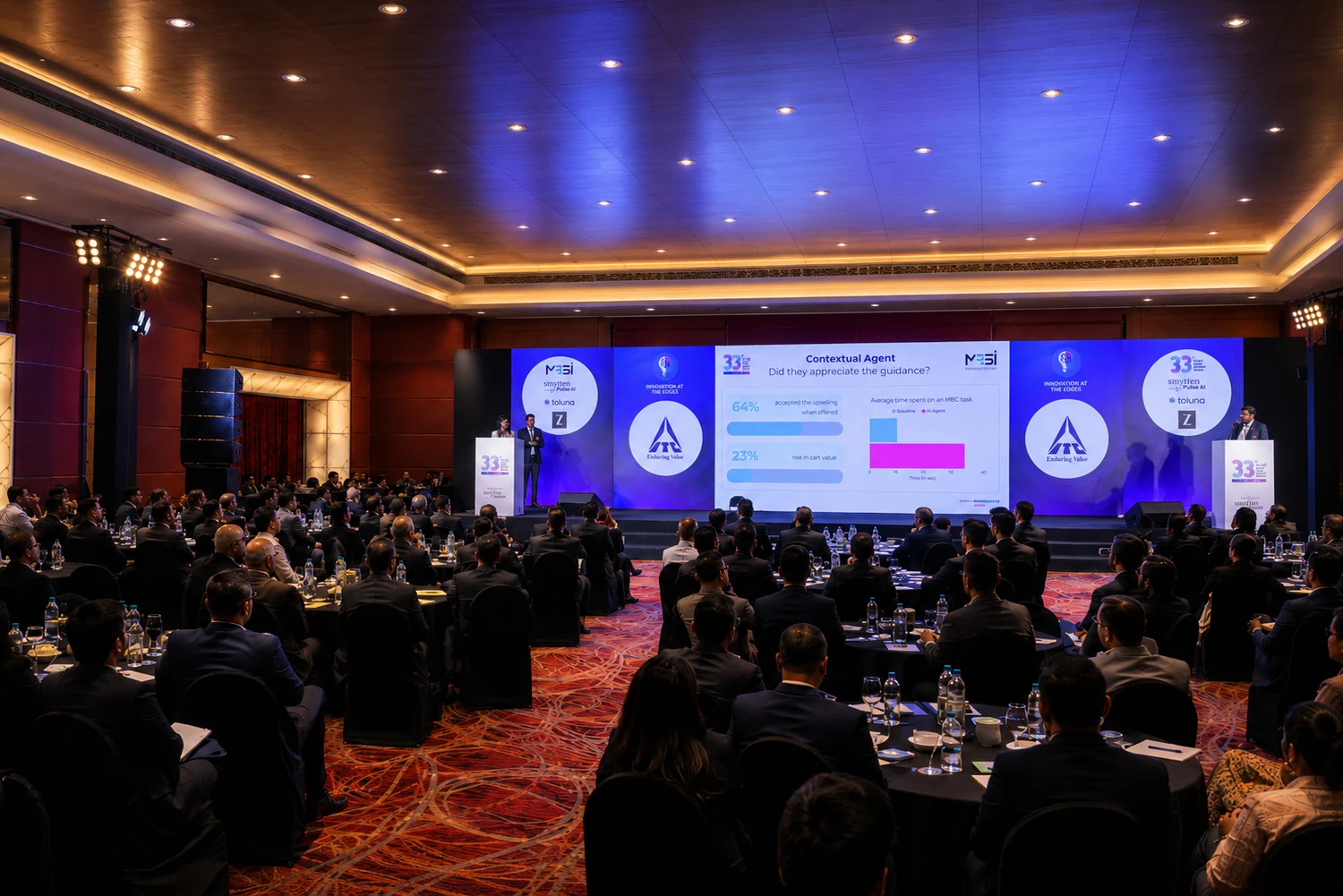
For a 50-100 person corporate offsite, start with the business objective, choose a destination that keeps travel proportionate to programme time, lock rooming and meeting space early, create a balanced work-and-social agenda, and manage transport, dietary needs, activities and rooming through one master manifest.
A 50-100 person offsite is large enough to need professional logistics but still small enough to feel personal. That makes it one of the best formats for leadership alignment, team bonding, strategy workshops and recognition – if the travel plan does not consume the event.
The most common mistake is choosing the destination first. Start with the purpose and the available time. A beautiful property is not useful if employees spend eight hours travelling for a one-night programme.
Step 1: Decide what the offsite must achieve
Common objectives include:
- Leadership strategy and planning
- Cross-functional alignment
- Team bonding
- Sales kick-off
- Recognition and motivation
- New-team integration
- Culture building
- Learning and workshops
The objective determines whether you need meeting rooms, breakouts, outdoor space, informal social areas or high-energy activities.
Step 2: Choose the travel radius
For a one-night offsite, shorter travel usually protects more programme time. For a two- or three-night offsite, a longer flight or drive may be justified.
Evaluate:
- Door-to-door travel time
- Airport / rail connectivity
- Last-mile road quality
- Check-in and check-out timing
- Luggage handling
- Weather
- Group transport availability
- Medical access
- Whether late arrival destroys the first session
Do not measure only kilometres. A destination 120 km away can take longer than one reached by a short flight and reliable transfer.
Step 3: Select the property using group requirements
A leisure hotel can be excellent for individuals and poor for corporate groups.
For 50-100 employees, confirm:
- Required room inventory on the same dates
- Twin / single-sharing policy
- Meeting room capacity in the desired layout
- Breakout rooms
- AV and power
- Outdoor or activity areas
- Meal capacity
- Late-night restrictions
- Alcohol policy
- Coach parking and turning
- Luggage storage
- Group check-in process
- Medical support
- Rain backup
If the programme includes workshops, inspect the meeting space as carefully as the pool.
Step 4: Build the rooming plan early
Rooming creates more complexity than people expect. Decide:
- Single versus twin sharing
- Gender and privacy policy
- Leadership allocation
- Special-access rooms
- Late-arrival rooms
- Roommate preferences, if allowed
- Name-change cut-off
Use one master rooming list and one owner for changes. Do not allow multiple teams to send independent spreadsheets to the hotel.
Step 5: Design a balanced agenda
A useful one-night programme might be:
- Morning departure
- Arrival and lunch
- Strategy / business session
- Break
- Team activity
- Free time
- Evening recognition or social event
- Dinner
- Next-day breakfast
- Short workshop or reflection
- Checkout and return
For two nights, create more breathing room and avoid turning every hour into programmed activity.
Step 6: Do not over-program the team
People need unstructured time to talk. Some of the most useful cross-functional conversations happen at breakfast, by the pool or after the formal session.
A schedule with sessions from 8 AM to midnight may look productive but often produces tired, disengaged participants. Design intensity around the objective.
Step 7: Choose team activities that fit the group
Options include:
- Collaborative problem-solving
- Outdoor team missions
- Scavenger formats
- Cooking challenges
- Music or performance workshops
- Sports mini-leagues
- Creative build challenges
- Facilitated strategy games
- Local experiences
- Volunteering or purpose-led formats
Always provide alternatives for employees who cannot or do not want to participate in strenuous physical activity.
Step 8: Treat transport as a managed workstream
For 50-100 people, use a transport manifest with:
- Passenger name
- Pickup point
- Vehicle number
- Captain contact
- Departure time
- Emergency contact
- Return allocation
Build buffer time. If employees are arriving independently, define a clear reimbursement or transfer policy before the trip.
Step 9: Plan food around energy, not only variety
Capture dietary restrictions in advance. Confirm vegetarian, Jain, vegan, allergy and medical requirements with the hotel. For outdoor activity, provide water and hydration points that are easy to access.
If there is a morning strategy session, a very late party the night before may work against the objective.
Step 10: Separate the business session from the social event
A meeting room and a social-event environment create different states of mind. Where possible, change the environment between work and celebration.
Use the business session for focus. Use the evening for recognition, social connection or entertainment.
Step 11: Build a simple offsite command structure
Assign:
- Client decision-maker
- Event lead
- Hotel liaison
- Transport lead
- Activity lead
- Rooming / hospitality desk
- Medical / emergency escalation
Everyone should know where to report a problem. A WhatsApp group with 100 employees is not an operations system.
Step 12: Plan for rain and disruption
For outdoor destinations, every key activity needs a rain plan. Also plan for:
- Vehicle breakdown
- Delayed flight or train
- Employee illness
- Lost luggage
- Rooming mismatch
- Weather closure
- Outdoor sound restrictions
The backup does not need to be equally elaborate. It needs to be workable.
How much should a 50-100 person corporate offsite cost?
The budget depends heavily on destination, hotel tier, room sharing, number of nights and transport. Build it in separate buckets:
- Rooms
- Meeting space and F&B
- Transport / flights
- Activities
- Evening production or entertainment
- Branding and gifts
- Event manpower
- Professional fees and contingency
For a fair comparison, calculate both cost per participant and the total fixed event cost.
The master offsite checklist
- Objective and success measure
- Dates
- Destination
- Hotel room block
- Meeting and breakout space
- Rooming policy
- Transport manifest
- Agenda
- Activity design
- Dietary and accessibility needs
- Evening event
- AV and presentations
- Emergency plan
- Rain backup
- Employee communication
- Check-in desk
- Departure plan
- Final reconciliation
Frequently asked questions
How far should a one-night corporate offsite be from the office?
There is no fixed distance. Use door-to-door travel time as the main measure and avoid spending so much time in transit that the programme becomes compressed.
Is 50-100 people too many for an offsite?
No. It is a manageable group size, but it requires proper rooming, transport, meeting-space and activity capacity planning.
Should a corporate offsite include work sessions?
If the objective includes strategy, alignment or learning, yes. Keep the work sessions focused and design the rest of the programme to create a different environment from the office.
What is the biggest offsite planning risk?
Logistics fragmentation. Multiple rooming lists, unclear transport ownership and late participant changes can create more problems than the activity programme itself.
How early should we book a 100-person offsite?
For popular destinations and full room blocks, 8-12 weeks is a useful starting window, and peak dates may require more lead time.
Planning an offsite as an experience, not a trip
Pegasus Events – TTM can manage destination selection, hotel coordination, transport, rooming, meeting production, team engagement, evening events and on-ground operations as one programme.