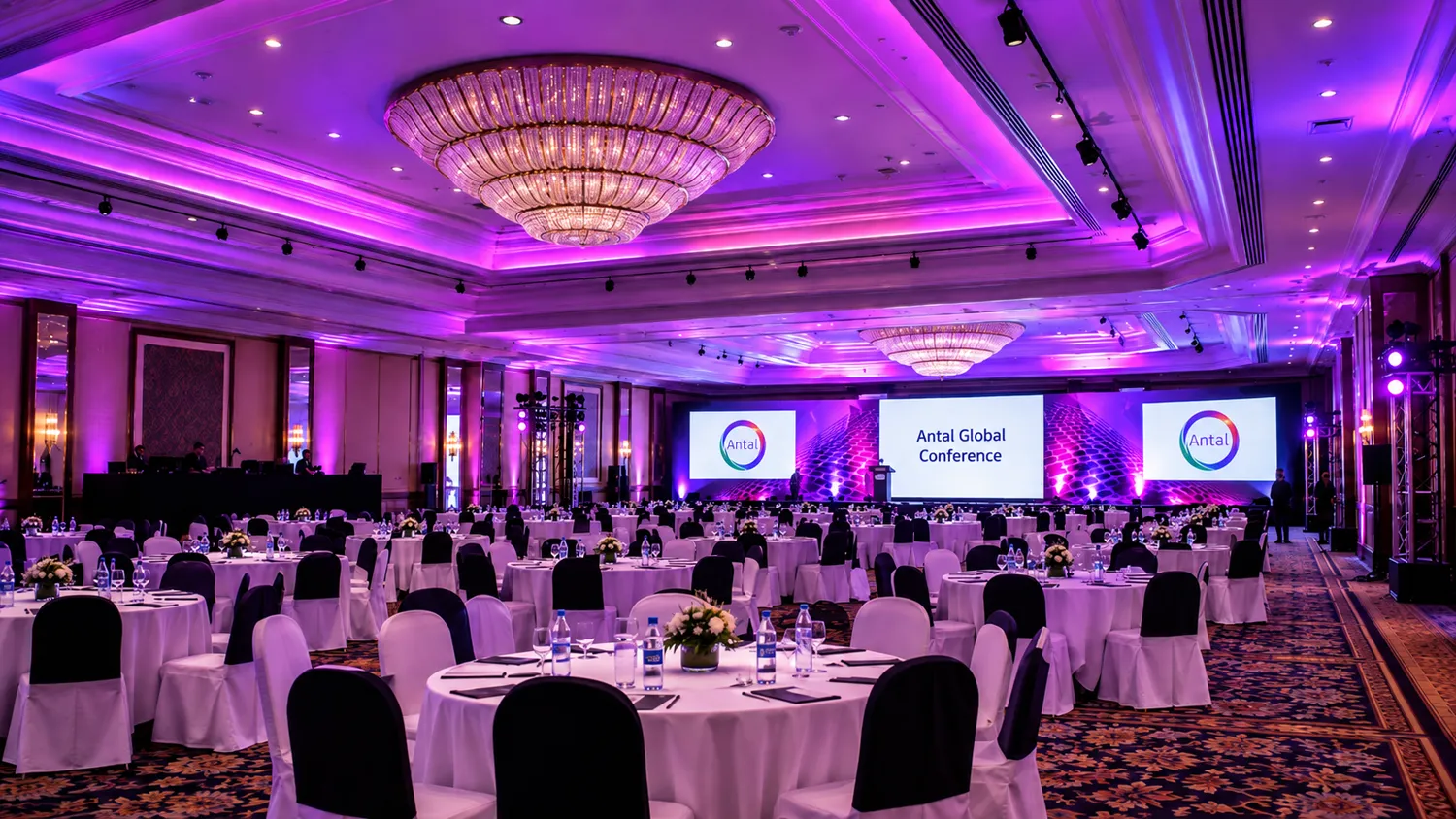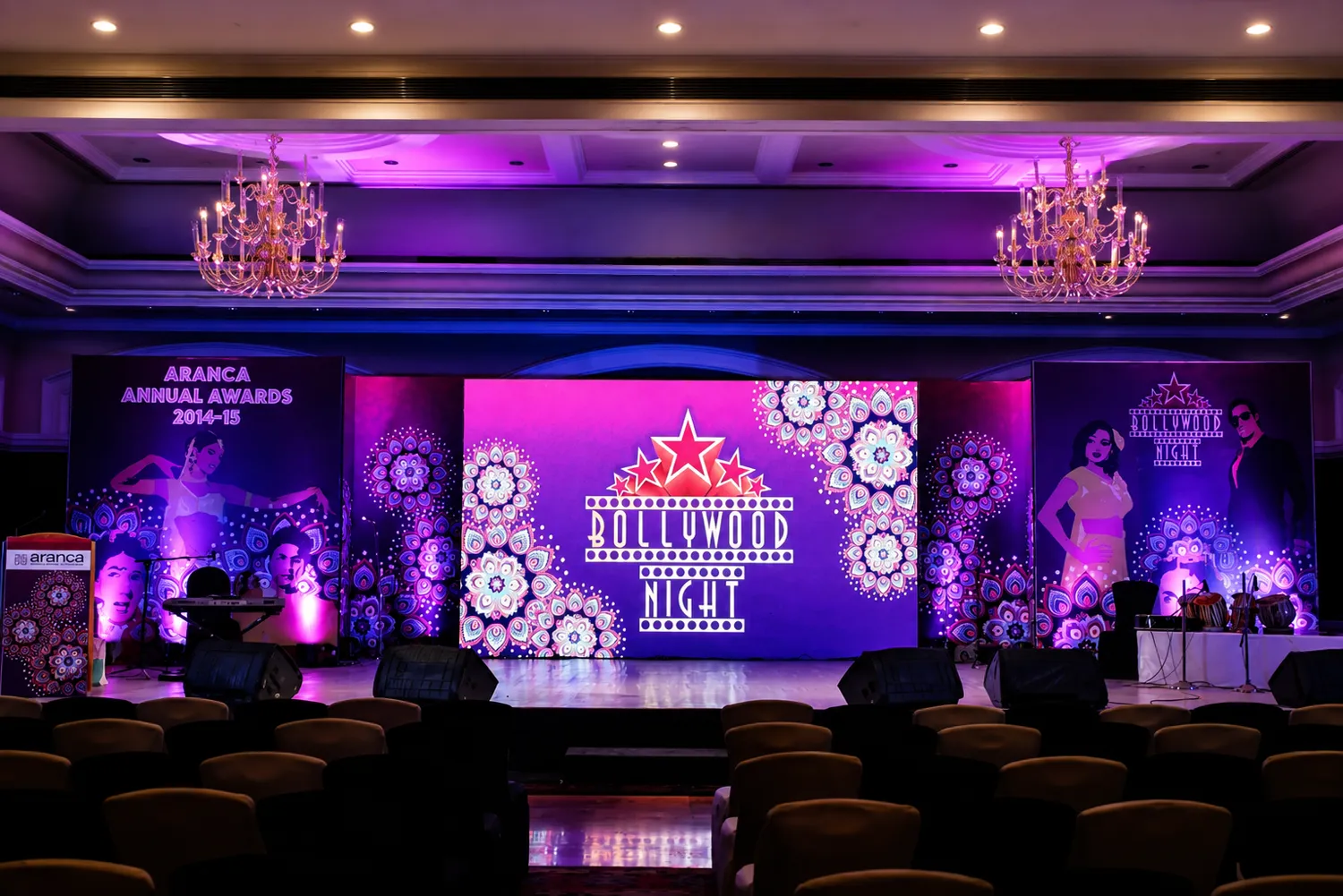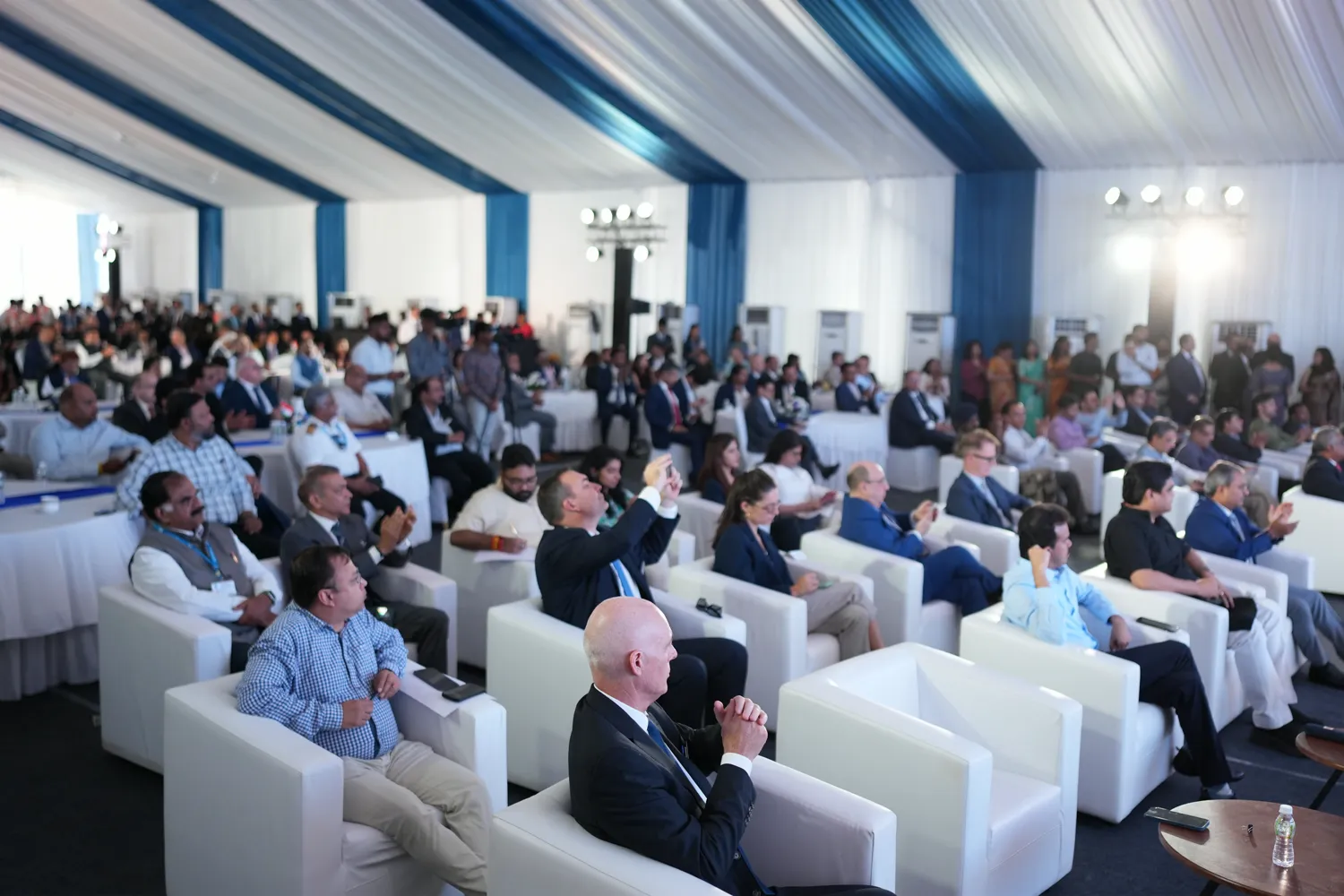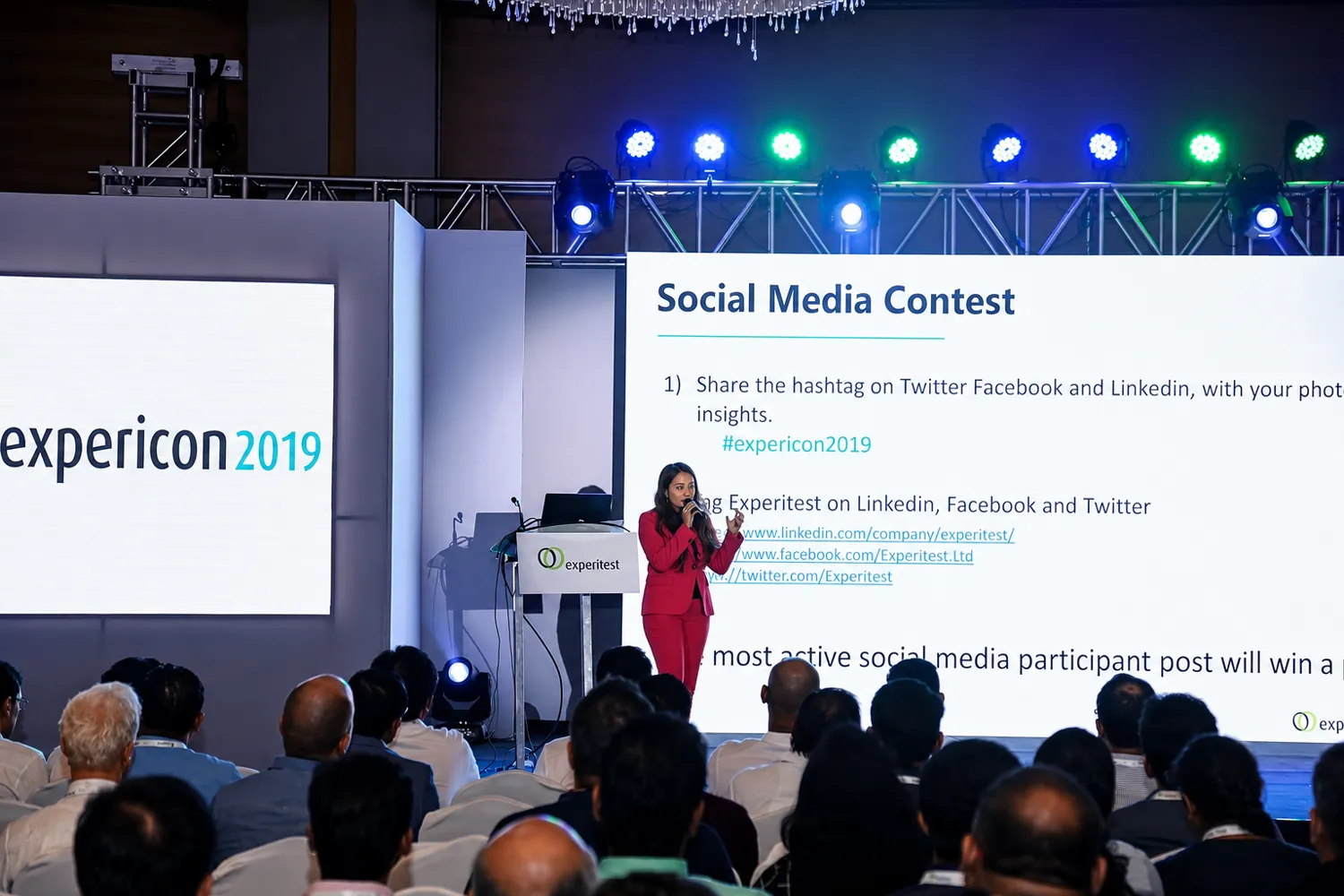
A corporate event management company turns a business brief into an executable event by managing strategy, concept, budgeting, venue, vendors, production, content, guest experience, rehearsals, logistics, live show control and post-event closure under one accountable project structure.
What Does a Corporate Event Management Company Actually Do?
A corporate event management company does much more than book a venue, arrange decor and call suppliers. Its real job is to convert a business objective into a live experience that can be delivered safely, on time, within an agreed scope and with hundreds of dependencies coordinated behind the scenes.
That means the agency is part strategist, producer, procurement partner, logistics controller, creative team, show caller and risk manager. The visible event is the last few hours. Most of the value is created in the weeks of decisions that make those hours predictable.
1. Translate the business brief into an event brief
Corporate clients rarely begin with a complete production specification. They begin with an objective: celebrate employees, launch a product, host dealers, run a conference, recognise performance, create a brand experience or bring teams together.
The agency turns that into decisions about audience, format, venue, agenda, creative approach, production, content, staffing and budget. A good brief defines what success looks like before the team starts choosing objects.
2. Create the budget architecture
The agency builds the event into cost buckets so the client can understand what is driving spend. That usually includes venue and F&B, production, fabrication, entertainment, content, manpower, logistics, permissions and professional fees.
This is also where value engineering happens. If the budget is high, the right question is not simply “what can we remove?” It is “what creates the audience impact, and what is supporting infrastructure?”
3. Source and evaluate the venue
Venue selection is both commercial and technical. The agency should evaluate capacity, room shape, stage depth, ceiling height, loading, power, rehearsal access, vendor restrictions, parking, pre-function flow, catering and contract terms.
A venue that looks perfect in photographs can fail operationally. A 700-person conference with exhibitors and sponsors needs a different footprint from a 700-person awards night even if the headline attendance is identical.
4. Develop the creative concept and experience
For experience-led events, the agency develops the central idea and translates it into the physical and digital environment. This can include naming, theme, key visual, stage language, invitations, graphics, films, signage, engagement and transitions.
The creative idea should solve a communication problem, not merely add decoration.
5. Design the stage and production system
Production is where creative intent meets engineering. The event company coordinates stage dimensions, scenic fabrication, LED, projection, sound, lighting, rigging, power, playback, camera systems and control positions.
At Pegasus, projects have included conventional conference production as well as specialised formats such as 3D projection mapping for an Invixium biometric-scanner event at Taj Santacruz. In that kind of project, content design, projection geometry, surfaces, playback and rehearsal all have to be developed together.
6. Manage suppliers as one project
A corporate event may involve dozens of vendors: venue, AV, fabrication, printers, artists, choreographers, transporters, photographers, security, registration staff, gifting and more.
The event company creates one operating plan across them. That includes scopes, deadlines, site access, payment milestones, technical requirements, dependencies and on-site reporting. This is one of the biggest differences between hiring an agency and buying vendors independently: someone is responsible for the gaps between suppliers.
7. Produce event content
Modern corporate events are content-heavy. Agencies may create or coordinate opening films, leadership videos, motion graphics, award slates, presentation templates, launch films, screen content, speaker support and social assets.
Content must be built for the actual display environment. A film for a standard screen is different from content for an ultra-wide LED, mapped architecture or anamorphic installation. Pegasus’ Melbourne Moments activation at Jio World Drive used a destination-led anamorphic experience built around a large image library and a specific physical display format.
8. Plan registration and guest experience
The event company maps what happens from invitation to exit. Depending on the event, this can include RSVP, reminders, QR check-in, badge printing, hostesses, seating, VIP movement, hospitality desks, transport and wayfinding.
Registration is not a decorative desk. It is a throughput system.
9. Coordinate speakers, performers and VIPs
Speakers need presentation deadlines, arrival instructions, green-room coordination, microphones and stage cues. Artists need riders, transport, sound checks, hospitality and performance calls. VIPs may need separate arrival, security and holding.
The agency integrates these requirements into the master schedule so no one workstream surprises another.
10. Build the show flow and cue system
The run-of-show is the event’s operating script. It identifies what happens, when it happens, who owns it and which technical cue supports it.
For a conference, this may include speaker walk-ons, films, presentation switches, panel microphones, Q&A and break transitions. For an awards night, it may include presenter entrances, winner slates, stings, trophy movement and entertainment. For a product launch, the reveal may require lighting, film, sound and physical movement to happen on the same second.
11. Run rehearsals
Rehearsals test the event under realistic conditions. The agency checks playback, microphones, award names, presenter routes, performer positions, cue timing, sightlines and transitions.
The objective is not to make the event rigid. It is to remove avoidable uncertainty.
12. Control the live event
On site, the agency becomes a command structure. Different leads manage front of house, backstage, technical production, transport, registration, venue operations and client coordination.
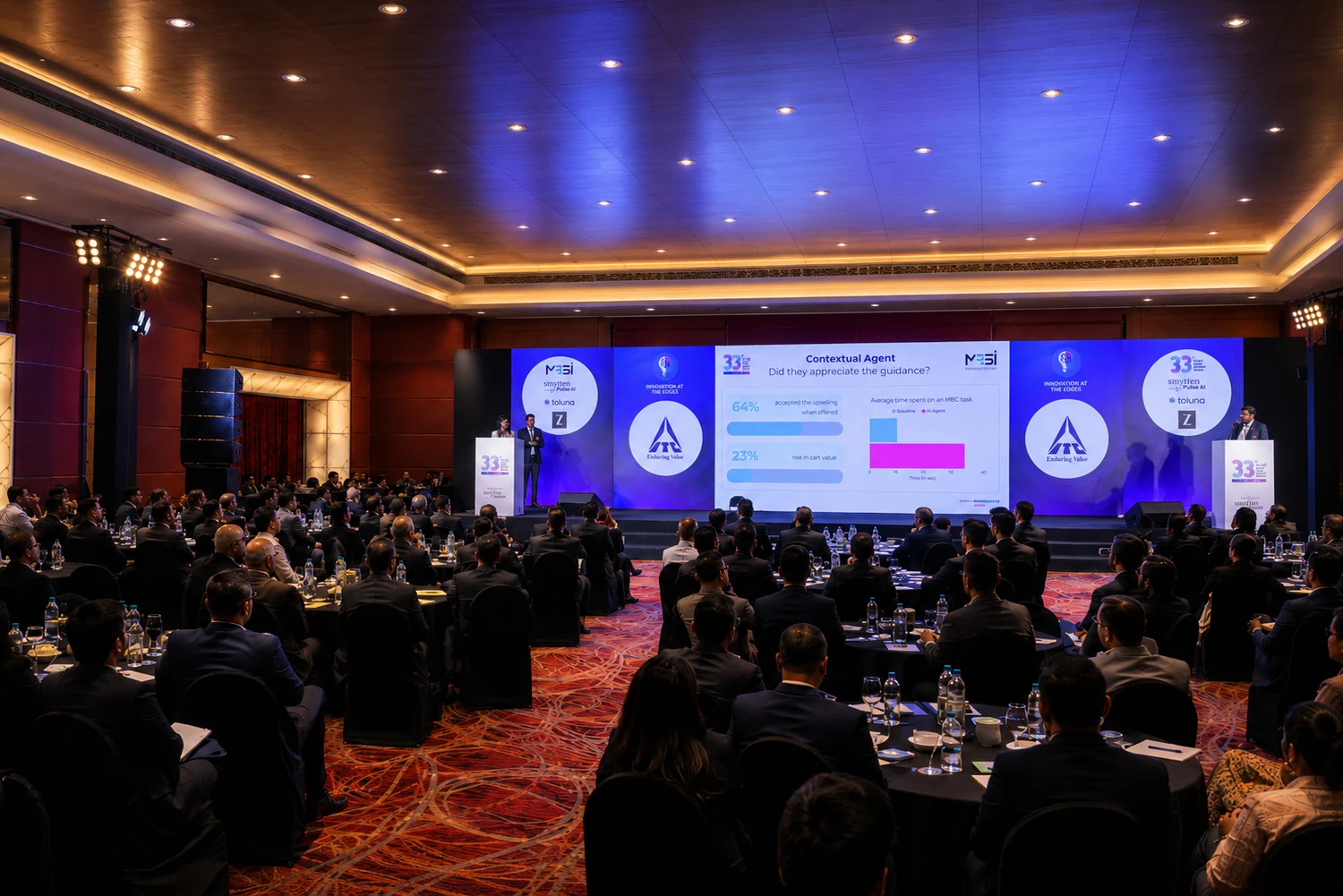
For a large seminar such as MRSI’s 32nd Annual Seminar, where the environment included hundreds of delegates as well as exhibitors and sponsors, event management is as much about operating systems as visual design.
13. Manage problems before the audience sees them
Live events change. A speaker is late. A bus is delayed. A presentation arrives in the wrong format. A trophy name changes. A vendor vehicle gets stuck at loading.
The agency’s value is not that nothing ever changes. It is that the system absorbs change without transferring the chaos to the client or audience.
14. Close the event properly
After the event, the work continues: vendor dismantling, venue handover, lost-and-found, final invoices, content delivery, photos, films, reconciliation and post-event review.
A useful debrief records what worked, what failed, what changed on site and what should be reused next time.
What does “turnkey event management” mean?
Turnkey usually means one agency takes responsibility for most or all major event workstreams from concept to execution. A genuine turnkey scope can cover:
- Concept and creative direction
- Venue search and coordination
- Budgeting and procurement
- Stage, AV and technical production
- Fabrication, branding and decor
- Content and films
- Entertainment and artist management
- Registration and guest experience
- Transport and logistics
- Rehearsals and show calling
- Event manpower
- Post-event closure
What should the client still own?
The company still owns business decisions. The client should provide the objective, decision-makers, brand approvals, internal data, speaker availability, employee communications, procurement requirements and timely approvals.
The strongest agency-client relationships are based on clear division of responsibility.
Frequently asked questions
Is an event management company the same as a production company?
Not necessarily. A production company may focus mainly on stage, audio, lighting, LED and technical delivery. A full-service event management company can own the wider brief, including creative, venue, content, logistics, guests and show management
Does an event agency book venues?
Most full-service corporate event agencies can shortlist, evaluate and coordinate venues as part of the project.
Do corporate event agencies create the theme and content?
They can. The scope may include theme development, key visual, films, motion graphics, presentation design, scripting and stage content.
Why not hire all suppliers directly?
You can, especially for a simple event. The challenge grows as dependencies increase. Someone still has to coordinate schedules, technical interfaces, rehearsals and on-site changes.
What should I ask an event agency before hiring them?
Ask what they will own, who will lead the project, how they budget, how they manage technical production, what is excluded, how they handle changes and which comparable events they have delivered.
Looking for a corporate event management company?
Pegasus Events – TTM has delivered corporate events since 2005 across employee engagement, conferences, awards, launches, exhibitions and brand experiences. Our role is to make the creative idea and the operating system work together.