A strong corporate annual day usually needs 6-10 weeks of planning, a clear employee objective, a realistic budget, an early venue and production lock, structured rehearsals, and one show owner coordinating HR, leadership, performers and vendors
How to Plan a Corporate Annual Day: Complete Checklist, Timeline & Budget
A corporate annual day looks simple from the audience: a venue, a stage, awards, performances, dinner and a few speeches. From the planning side, it is one of the most interconnected formats an HR or internal communications team can run. Venue, production, employee participation, leadership content, entertainment, transport, rehearsals and guest experience all have to arrive at the same place at the same time.
The best annual days are therefore not planned as a list of vendors. They are planned as a single show with one objective. That objective might be recognition, culture, celebration after a difficult year, cross-functional camaraderie, a milestone, or simply bringing a distributed workforce together. Once the objective is clear, every element can be judged by whether it helps the event do its job.
Step 1: Define what the annual day is supposed to achieve
Before choosing a venue or theme, answer three questions: Why are we doing this? Who is the event really for? What should employees feel or do differently afterwards?
A celebration-only brief produces a different event from a recognition-led annual day. A company trying to improve cross-team collaboration needs a different content strategy from a company celebrating a milestone. The objective affects the theme, leadership messaging, awards format, entertainment, employee engagement and even seating.
A useful one-line brief might be: “Bring 500 employees together to recognise performance, celebrate the year and reinforce one-company culture.” If an activity does not support that sentence, it is probably optional.
Step 2: Establish the operating numbers
Lock the numbers that affect almost every supplier discussion:
- Expected attendance and a realistic minimum guarantee
- Employee-only versus employees plus spouses or families
- Event date and preferred time window
- City and acceptable travel radius
- Approximate working budget
- Whether awards, employee performances or professional entertainment are planned
- Whether the event needs films, presentations or leadership content
- Whether transport will be organised centrally
Do not wait for a final RSVP count before starting. Work with a planning number and define the date on which it becomes a commercial guarantee.
Step 3: Build the budget before you fall in love with a venue
The annual-day budget normally contains both variable costs and fixed or semi-fixed costs. Catering, beverages, gifts and buses scale with guest count. Stage, LED, sound, lighting, creative, entertainment and show management often do not.
Build the first budget in buckets:
- Venue and food & beverage
- Stage, LED, sound and lighting
- Fabrication, branding and decor
- Entertainment and emcee
- Employee performance support and choreography
- Awards, trophies and recognition content
- Films, motion graphics and presentation content
- Photography and video
- Transport and logistics
- Event manpower and security
- Professional fees, permissions, taxes and contingency
Tag each item must-have, should-have or optional. That gives HR and procurement a clean way to value-engineer without damaging the core event.
Step 4: Choose the venue for the show, not only the headcount
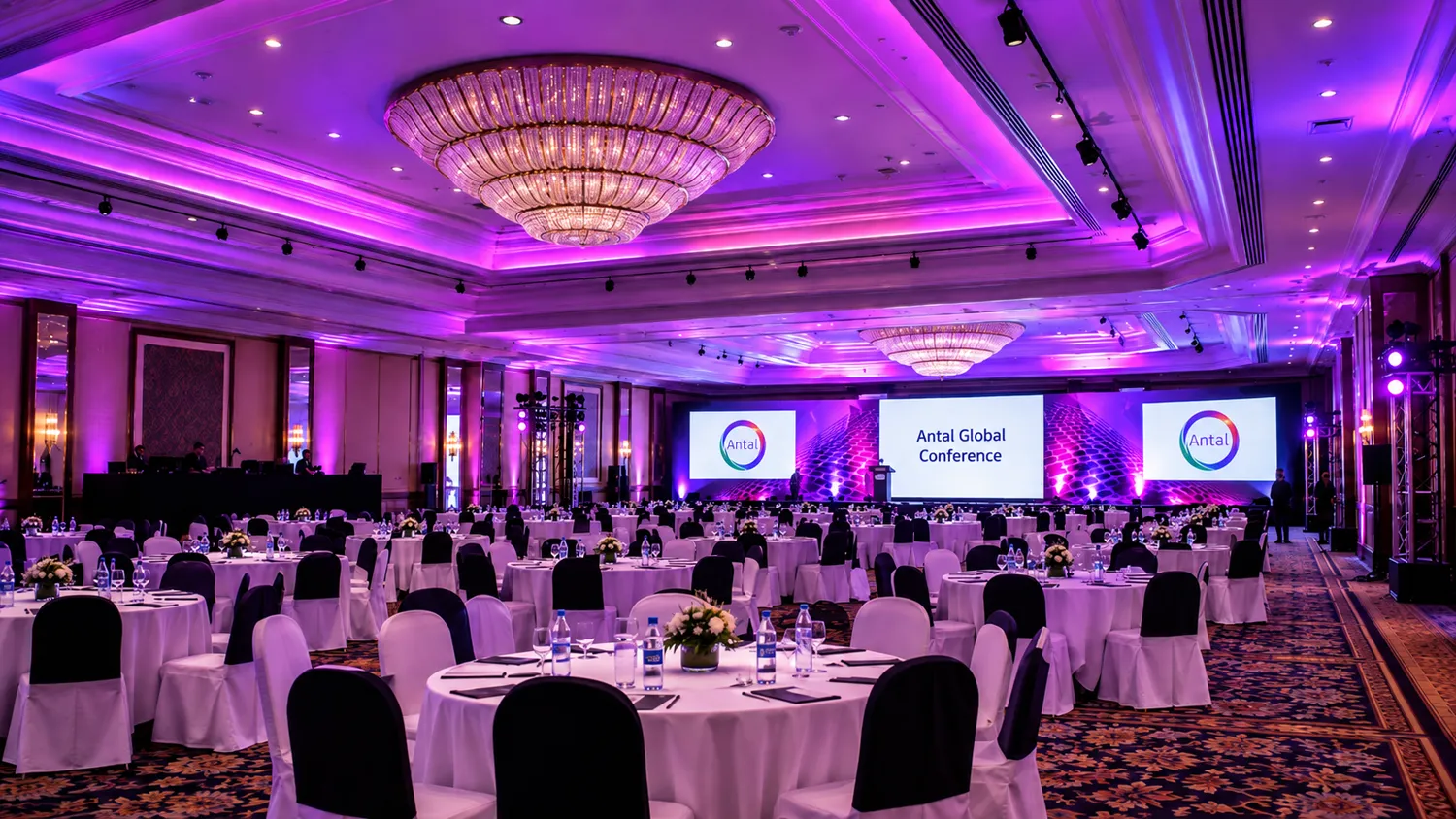
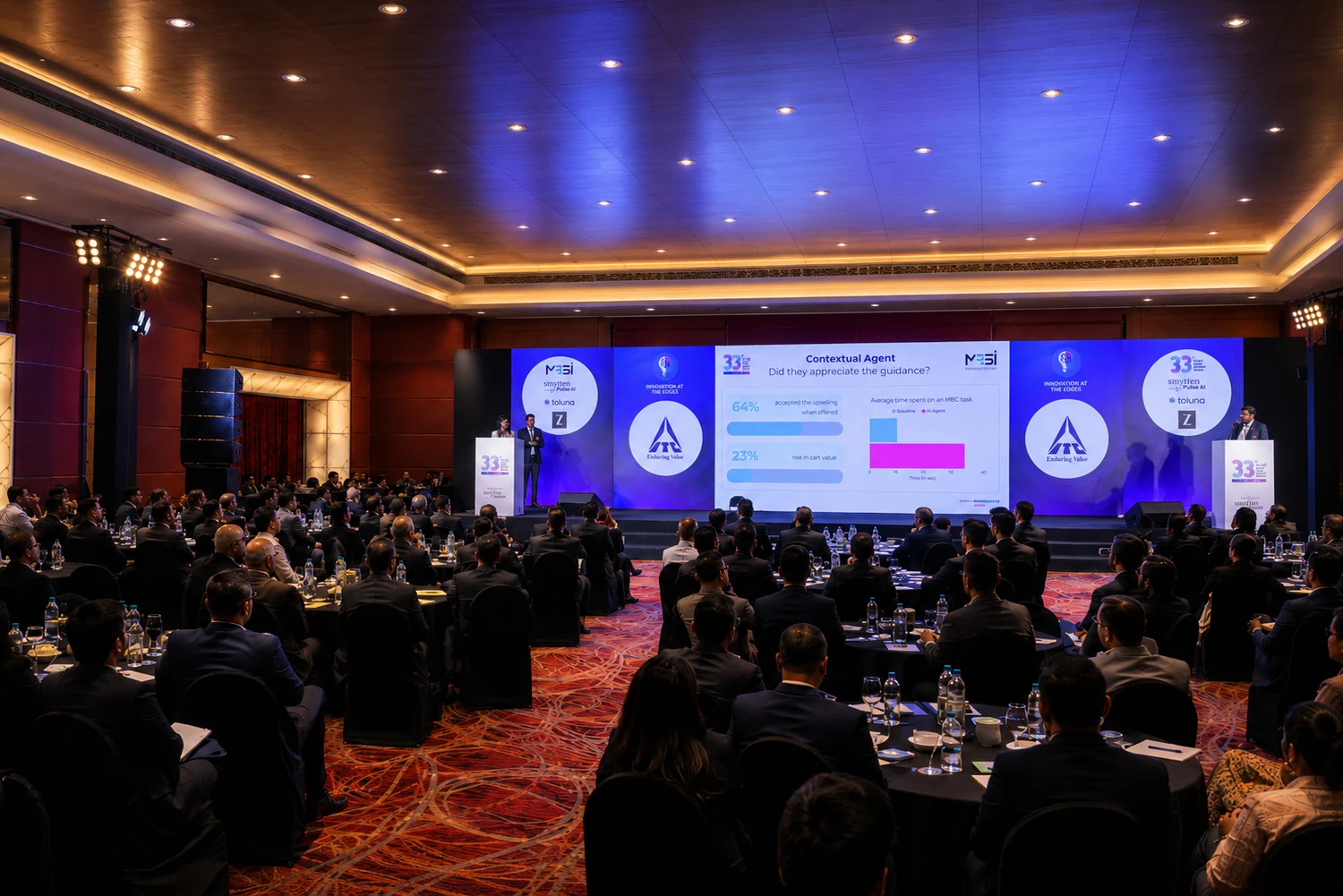
A ballroom that technically seats 500 people may still be wrong for a 500-person annual day. You need space for the stage footprint, LED sightlines, technical control, backstage movement, awards holding, green rooms, food service and entry flow.
Check:
- Clear ceiling height and rigging restrictions
- Stage depth after seating is laid out
- LED and projection sightlines
- Loading access and vendor entry windows
- Power availability and generator rules
- Green rooms and performer holding areas
- Separate pre-function space for registration or cocktails
- Parking, valet and bus movement
- Noise cut-offs and entertainment restrictions
- Setup, rehearsal and dismantling access
The cheapest venue can become expensive if it requires extra structures, difficult logistics or an additional setup day.
Step 5: Develop one creative idea that can carry the whole event
A theme should do more than decorate a backdrop. The strongest annual-day themes can hold leadership messaging, awards, films, employee content and engagement together.
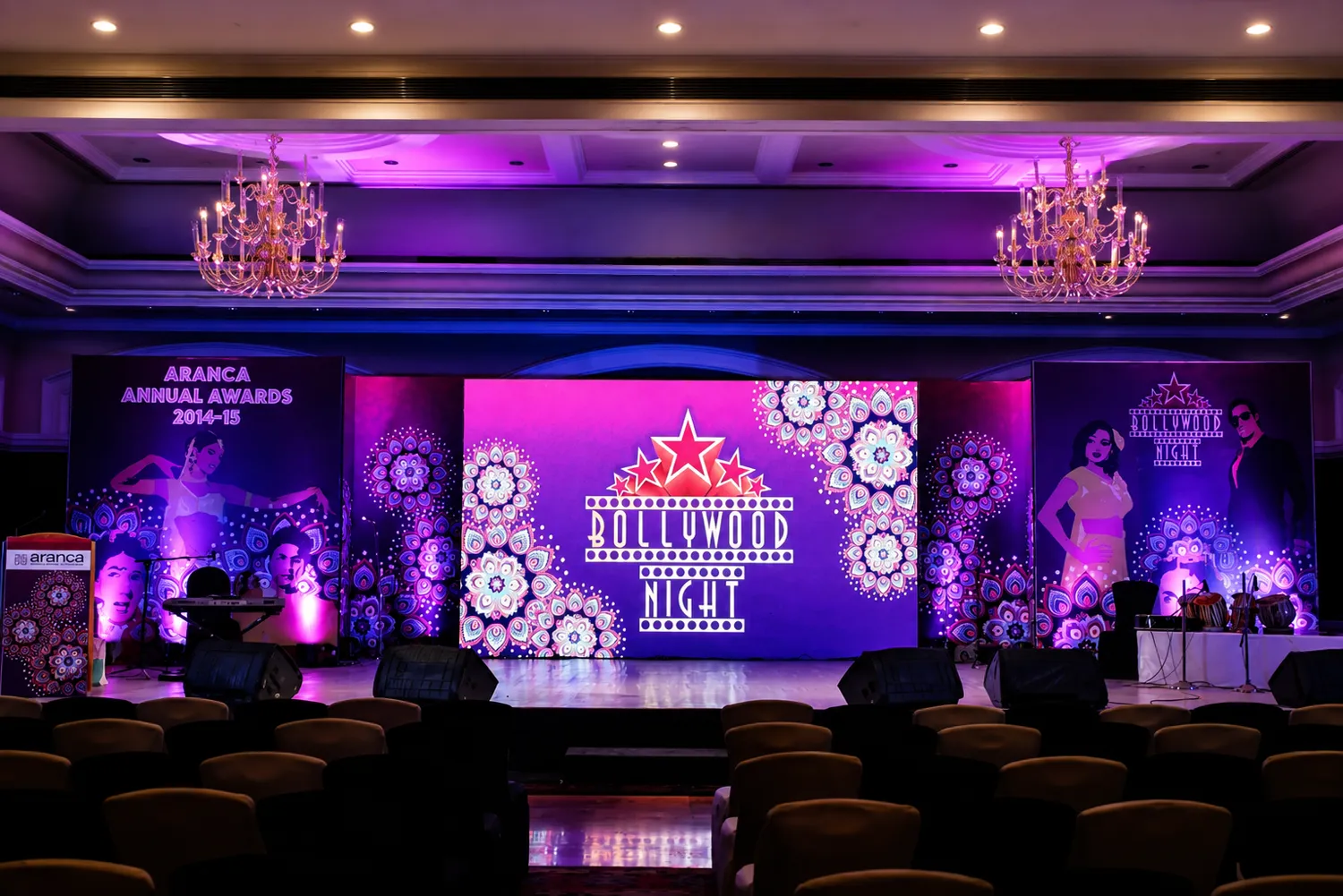
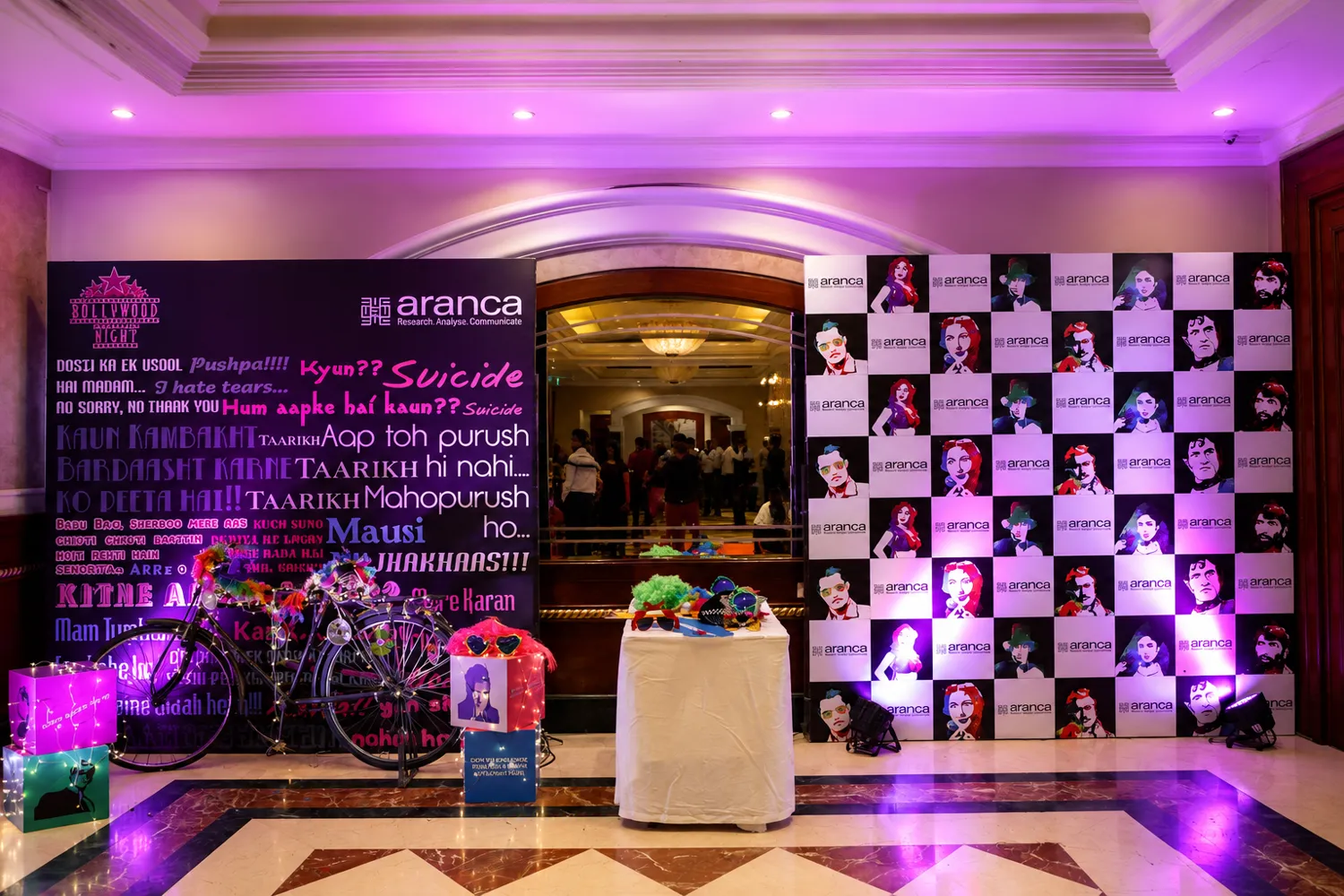
For Aranca, Pegasus developed We Are Aranca around camaraderie and internal cooperation. The communication was designed to work across levels of staff and reinforce the idea that employees were part of one unit with shared opportunity. The lesson is not the phrase itself. It is the method: the event idea and the internal message were the same thing.
When reviewing theme routes, ask whether each can translate into:
- Stage visual language
- Invitation and pre-event communication
- Opening film or leadership content
- Employee engagement
- Awards graphics
- Photo moments
- Entertainment transitions
- Closing message
Step 6: Design the show flow before designing every visual
Create a run-of-show early. Start with the audience journey, not the stage artwork.
A typical flow might be:
- Arrival, registration and pre-function engagement
- Ballroom opening and seating
- Opening AV or performance
- Leadership address
- Awards block one
- Employee performance or entertainment
- Awards block two
- Recognition or milestone segment
- Headline entertainment
- Dinner, DJ or networking
The exact order should protect energy. Ten speeches followed by forty awards and dinner is technically a schedule, but it is rarely a good show.
Step 7: Treat employee performances like a production workstream
Employee performances create ownership and often become the most remembered part of an annual day. They also create rehearsal complexity.
Decide early:
- How teams are selected
- Whether choreography or coaching is provided
- Rehearsal dates and attendance expectations
- Music-edit deadlines
- Costume responsibility
- Maximum performance duration
- Final technical rehearsal requirement
- Who can approve or reject content that is too long or unsuitable
Give each act one coordinator. On event day, performers need reporting times, green-room allocation, prop storage and a backstage caller.
Step 8: Build awards as a show, not a spreadsheet
Recognition is often the emotional centre of an annual day. Create a master awards sheet with category, winner, pronunciation, designation, presenter, trophy order, screen graphic and walk-on cue. Number trophies physically. Confirm whether winners know in advance. Define what happens if someone is absent.
For large award counts, group categories into blocks and break them with content or entertainment. This makes the show easier to watch and reduces backstage errors.
Step 9: Lock content deadlines
Annual days create a surprising amount of content: opening films, CEO presentations, award slates, employee videos, nominations, motion graphics, sponsor logos and music tracks.
A practical content system needs:
- One owner on the client side
- One consolidated feedback route
- Version numbers on every film and presentation
- A freeze date for final playback files
- A backup playback copy
- Speaker presentations tested on the actual event system
Late content is one of the biggest causes of rehearsal overruns. “Final-final-v7” is not a production system.
Step 10: Rehearse the difficult moments
Not every second needs a full rehearsal, but every high-risk transition does.
Rehearse:
- Opening AV into leadership entry
- Award presenter handovers
- Employee performances with final audio
- Any reveal, special effect or projection cue
- CEO or senior-leadership presentation playback
- Entertainment changeovers
- Closing sequence
A technical rehearsal is where the event becomes predictable. That is exactly what you want backstage, even if the audience experiences it as spontaneous.
Step 11: Plan guest movement and transport
For an internal event, the guest journey starts at the office or pickup point, not at the ballroom door. Bus routes, parking, drop-off, registration and post-event dispersal all affect employee experience.
For larger events, use route captains, vehicle numbers and a transport command sheet. Avoid making every employee call HR individually.
Step 12: Create one command structure for event day
A corporate annual day can have HR, leadership, venue teams, decorators, AV technicians, performers, artists, transport operators, photographers and security on site. Someone must own the whole operating picture.
A simple command structure includes:
- Client decision-maker
- Event project lead
- Show caller / stage manager
- Technical lead
- Backstage manager
- Registration lead
- Transport lead
- Venue/F&B lead
Every person should know who can make a decision.
How far in advance should you plan a corporate annual day?
For a standard annual day with 200-500 guests, 6-10 weeks is a practical planning window. Large audiences, employee performances, complex films, custom fabrication, celebrity entertainment or difficult venue dates may need 10-16 weeks or more.
A useful working timeline is:
- 10-12 weeks: objective, budget, date, venue shortlist, agency scope
- 8 weeks: venue lock, theme direction, production concept, entertainment shortlist
- 6 weeks: invitations, employee engagement, awards process, content development
- 4 weeks: production drawings, menus, transport planning, performance rehearsals
- 2 weeks: final RSVPs, show flow, awards data, films, signage, manpower
- 1 week: cue sheets, final files, seating, transport manifests, technical checks
- Event day: setup, technical rehearsal, show rehearsal, execution and closure
The annual-day checklist HR should have before briefing an agency
- Event objective
- Date options
- Guest count
- Employee profile and office locations
- Preferred city / zone
- Budget band
- Format from the previous year, if relevant
- Leadership expectations
- Awards count
- Employee performance requirement
- Entertainment preference
- Food and beverage expectations
- Transport requirement
- Brand guidelines
- Approval and procurement process
Frequently asked questions
How long does it take to plan a corporate annual day?
Six to ten weeks is a strong working window for many 200-500 person events. Larger or more production-heavy annual days should start earlier.
What should be included in an annual-day budget?
Venue, F&B, stage and AV, fabrication, entertainment, employee performance support, awards, content, photography, transport, manpower, professional fees, taxes and contingency should all be visible.
Who should own the annual day internally?
HR or internal communications can remain the business owner, but one named person should have authority to consolidate decisions. On site, a separate event project lead should control execution.
How do you make an annual day more engaging?
Use one relevant theme, shorten passive stage time, make recognition meaningful, involve employees in selected moments, and design the event around energy rather than filling a timetable.
Do employee performances need professional choreography?
Not always. But they do need structure, time limits, music deadlines, rehearsals and backstage management.
Planning an annual day in Mumbai or anywhere in India?
Pegasus Events – TTM plans annual days as complete systems: concept, venue, production, content, employee engagement, entertainment, rehearsals, logistics and show control. The goal is not simply to make the ballroom look good. It is to make the entire event work together.